

Austria at the Olympics!
Images
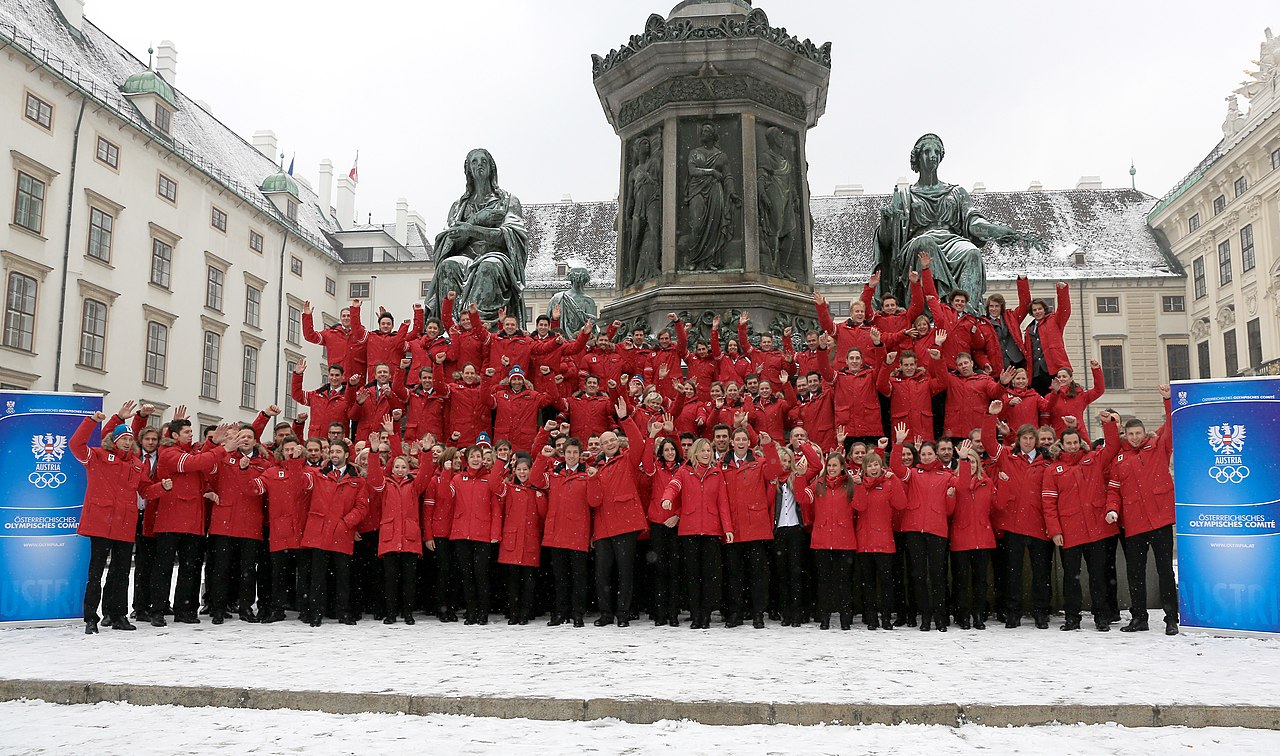
Austria Team Winter Olympics 2014 2


Austria's Olympic Trajectory
Austria's relationship with the modern Olympic Games is one marked by consistent participation and remarkable achievement, with a notable early exception. Barred from the 1920 Antwerp Games due to their status as a defeated nation in World War I, Austria has otherwise competed in every subsequent Olympiad, both Summer and Winter. This unbroken streak, beginning effectively in 1900 and continuing after the 1920 hiatus, underscores a profound national commitment to the Olympic movement.
The Austrian Olympic Committee, established in 1908 and recognized by the IOC in 1912, has been the institutional bedrock for this sustained engagement. Its longevity and the experience accumulated over more than a century have been instrumental in developing Austria's athletic infrastructure and fostering a culture conducive to elite performance. The committee's role extends beyond mere logistics; it embodies the national aspiration to compete and excel on the global sporting stage, reflecting a deep-seated pride in Austrian athletic identity.
Alpine Skiing Supremacy
The most defining characteristic of Austria's Olympic narrative is their absolute dominance in alpine skiing. No other nation comes close to Austria's medal haul in this discipline. This extraordinary success is not accidental; it is the product of a confluence of factors: a geography blessed with extensive alpine terrain, a cultural affinity for winter sports deeply ingrained over generations, and highly sophisticated, scientifically-backed training methodologies.
Austrian ski schools and coaching systems are globally recognized, producing athletes who consistently demonstrate exceptional technical skill, mental fortitude, and tactical brilliance. The sheer volume of medals won by Austrian skiers across various alpine disciplines-slalom, giant slalom, super-G, downhill, and combined-positions them as the undisputed leaders. This legacy inspires new generations of skiers and solidifies Austria's reputation as a powerhouse in winter sports, making their performances a focal point of every Winter Olympics.
The Organizational Backbone
The Austrian Olympic Committee (Österreichisches Olympisches Comité - ÖOC) serves as the vital organizational nexus for Austria's Olympic aspirations. Its establishment in 1908 and subsequent recognition in 1912 predate many national Olympic committees, highlighting Austria's early embrace of the Olympic ideal. The ÖOC is tasked with a comprehensive mandate: selecting national teams, coordinating training and preparation, managing athlete welfare, and representing Austria within the International Olympic Committee framework.
Its enduring presence has allowed for the development of long-term strategies in sports development, talent identification, and resource allocation. This institutional stability is crucial for sustained success, particularly in sports requiring significant investment and long-term athlete development pathways, such as alpine skiing. The ÖOC's consistent operation ensures that Austria remains a competitive force, adapting to evolving sporting landscapes while upholding the core values of the Olympic movement.
Beyond the Podium
While alpine skiing rightfully garners significant attention, Austria's Olympic story encompasses a broader spectrum of sports. Success has also been achieved in disciplines like ski jumping, biathlon, figure skating, and bobsleigh, demonstrating a national capacity for excellence across various winter disciplines. This diversification is a strategic advantage, allowing for a wider base of athletic talent and a more robust national sports ecosystem.
The nation's participation in the Summer Olympics, though less dominant than in winter, also contributes to its Olympic identity. Looking forward, Austria continues to leverage its strengths while adapting to new challenges, including the increasing professionalism of sports, evolving training science, and the global competition for resources and talent. The ÖOC's ongoing efforts to foster innovation and support athletes across disciplines are key to maintaining Austria's respected position in the international Olympic community and ensuring its legacy continues to inspire.
See also
Frequently Asked Questions
Why did Austria miss the 1920 Olympics?+
When did Austria start taking part in the Olympics?+
What makes Austria so good at alpine skiing?+
When was the Austrian Olympic Committee founded?+
What does the Austrian Olympic Committee do?+
Based on content from Wikipedia · Licensed under CC BY-SA 4.0