

Attachment in children
Images
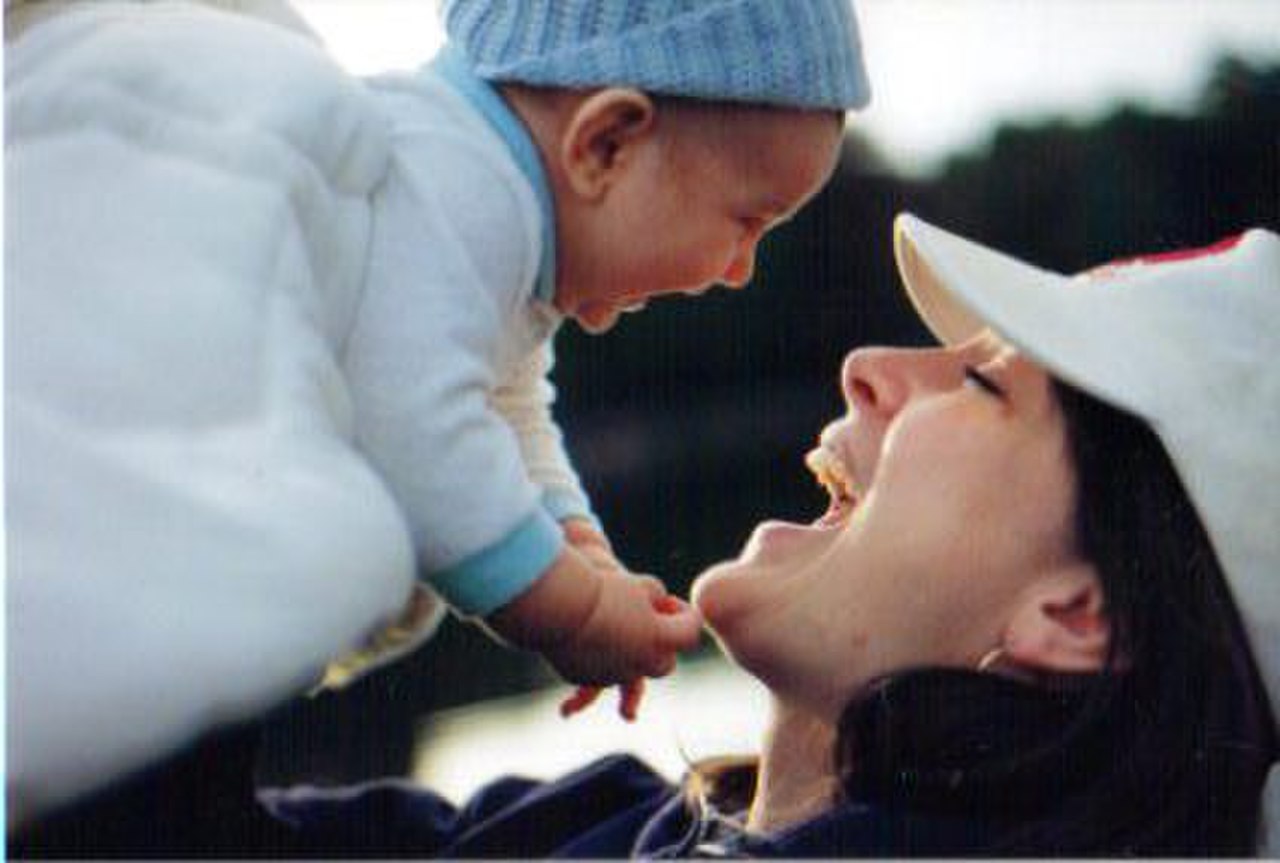
Attachment in children
The Evolutionary Imperative
Attachment in children is fundamentally a biological imperative, an evolutionary adaptation designed to ensure survival. The core principle is the seeking of proximity to an attachment figure when the child perceives threat or discomfort. This isn't merely a preference; it's a deeply ingrained instinct that triggers specific behaviors aimed at re-establishing contact and security.
The attachment figure acts as a 'secure base' from which the child can explore the environment and a 'safe haven' to return to when distressed. The effectiveness of this system hinges on the caregiver's availability and responsiveness, which signals to the child that their needs are recognized and will be met. This reciprocal interaction, characterized by shared communication and consistent support, forms the bedrock of the child's developing sense of self and their capacity for emotional regulation.
From Observation to Theory
While the concept of parental bonding has long been recognized, systematic scientific inquiry into attachment began in the mid-20th century. Pioneers like John Bowlby, influenced by ethology and psychoanalysis, proposed that infants possess an innate drive to form close emotional bonds with primary caregivers. His work, further elaborated by Mary Ainsworth and her colleagues through the 'Strange Situation' procedure, revolutionized our understanding of child development.
This research moved beyond simple observation to categorize distinct patterns of attachment based on how children behaved when separated from and reunited with their caregivers. These classifications-secure, anxious-ambivalent, anxious-avoidant, and later disorganized-provided a framework for understanding the diverse ways children navigate their relationships with their primary support systems.
The Lifelong Ramifications
The significance of early attachment extends far beyond infancy and childhood, shaping an individual's psychological landscape throughout their life. According to attachment theory, children develop 'internal working models'-mental representations of themselves, others, and relationships-based on their early attachment experiences. A secure attachment fosters a positive working model, leading to beliefs of self-worth and trust in others, which facilitates healthy adult relationships, effective emotion regulation, and resilience in the face of adversity.
Conversely, insecure attachment patterns can lead to internal working models characterized by self-doubt, fear of intimacy, or difficulty trusting others, potentially contributing to challenges in romantic relationships, social interactions, and mental health outcomes later in life. This underscores attachment's role as a foundational element in psychological well-being.
Mechanisms of Connection
The development of attachment patterns is intricately linked to the dynamics between caregiver sensitivity and child responsiveness. Caregiver sensitivity involves the ability to accurately perceive and interpret a child's signals, and to respond to them promptly and appropriately. This consistent, attuned care fosters a sense of security in the child, encouraging them to explore and learn.
When caregivers are consistently available and responsive, children learn that their needs are valid and that they can rely on others for support. This predictability builds trust and allows the child to develop effective strategies for managing distress. The child's own temperament also plays a role, interacting with caregiver behavior to shape the unique attachment relationship that forms.
Classifications and Clinical Implications
The identification of distinct attachment classifications-secure, anxious-ambivalent, anxious-avoidant, and disorganized-has profound implications for clinical practice and research. Secure attachment is associated with optimal psychosocial development. Anxious-ambivalent attachment, often stemming from inconsistent caregiving, can lead to clinginess and difficulty with independence.
Anxious-avoidant attachment, sometimes a response to rejecting or intrusive caregiving, may result in emotional distancing and a suppression of attachment needs. Disorganized attachment, frequently linked to frightening or unpredictable caregiver behavior, is associated with the highest risk for developmental and mental health problems. Understanding these patterns allows mental health professionals to identify potential risks and develop targeted interventions to support children and families in fostering healthier attachment relationships.
See also
Frequently Asked Questions
What is attachment in children?+
Why do babies want to stay close to grown‑ups when they feel scared?+
How does a caregiver help a child feel safe and explore the world?+
What can happen if a child doesn’t get a secure attachment?+
What is a secure base in attachment?+
Based on content from Wikipedia · Licensed under CC BY-SA 4.0