

Atlantic Cod
Images
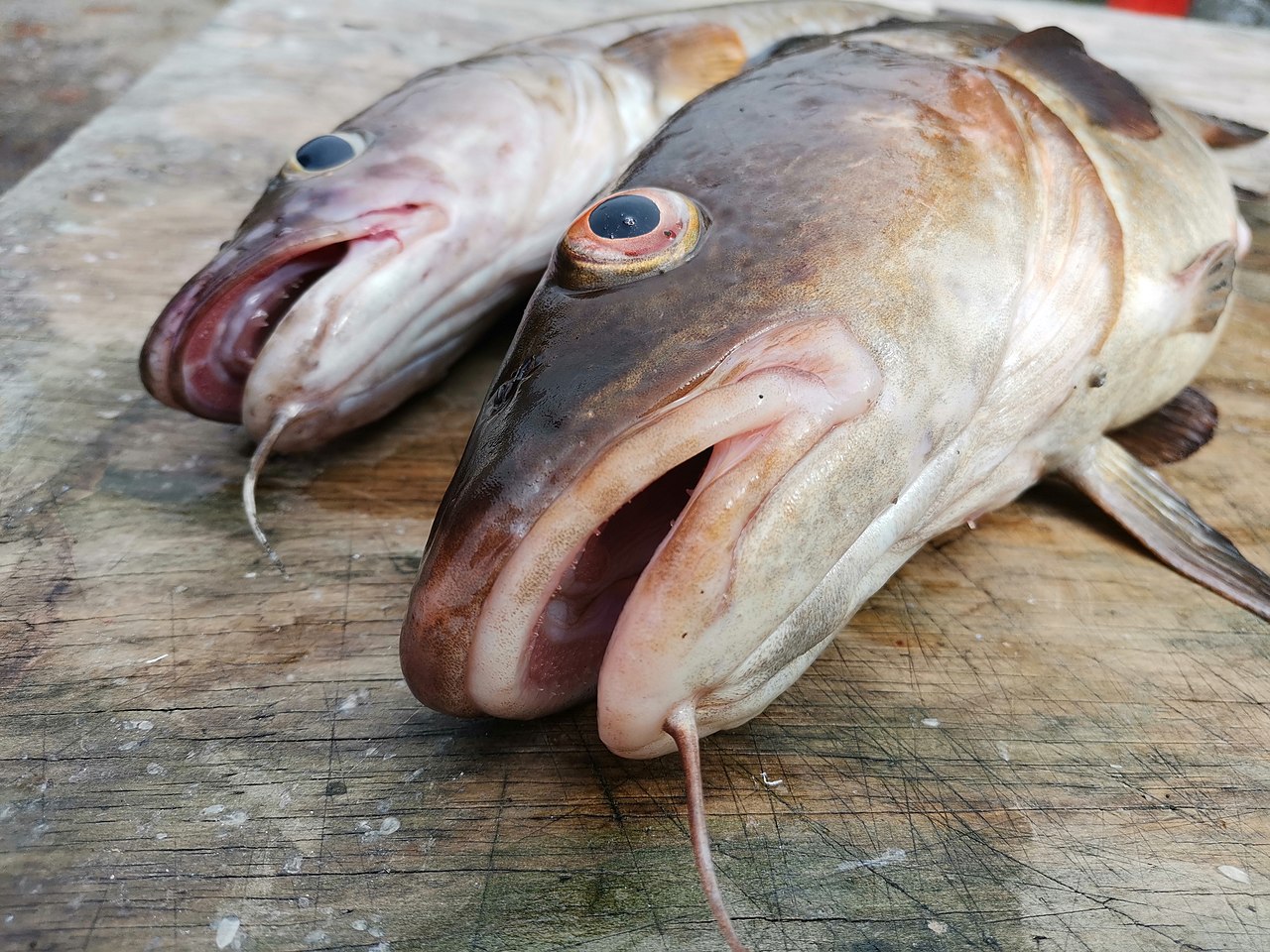
Common ling, Atlantic cod


The Ecological and Economic Pillar of the North Atlantic
The Atlantic cod (Gadus morhua) is not merely a fish; it is an ecological keystone species and a historical economic powerhouse that has profoundly shaped human civilization in the North Atlantic region. For centuries, its abundance fueled exploration, settlement, and trade, making it one of the most important commercial fish species globally. Its distinctive physical characteristics, including a prominent chin barbel and a lateral line that aids in detecting vibrations, are adaptations for its life as a demersal predator.
The species exhibits considerable variation in coloration, ranging from deep greens and browns to lighter shades, often adorned with spots, providing camouflage against varied seabed environments. This adaptability has allowed it to inhabit a vast geographical range, underscoring its resilience and ecological importance.
Geographic Distribution and Habitat Preferences
The distribution of Atlantic cod spans the cold to temperate waters of the North Atlantic Ocean. In the western Atlantic, populations extend from the Grand Banks off Newfoundland and Labrador south to Cape Hatteras, North Carolina, and include Greenlandic waters. The eastern Atlantic range is even more extensive, stretching from the Bay of Biscay in France northward to the Arctic Ocean.
This includes critical habitats such as the North Sea, the Barents Sea, the Celtic Sea, and the waters surrounding Iceland. Atlantic cod are demersal fish, typically found from coastal shorelines down to depths of 300 meters (approximately 1,000 feet) along the continental shelf. They thrive in environments with temperatures ranging from 0 to 15 degrees Celsius (32 to 59 degrees Fahrenheit), preferring areas with complex seafloor structures that offer both food and shelter.
Dietary Habits and Predatory Role
As a formidable carnivore, the Atlantic cod occupies a high trophic level within its ecosystem. Its diet is diverse and opportunistic, primarily consisting of smaller fish species such as capelin, herring, and sand lance, as well as a variety of invertebrates including crustaceans (like shrimp and crabs), mollusks, and echinoderms. Juvenile cod, or 'codlings,' often feed on zooplankton and smaller invertebrates.
The cod's predatory behavior is crucial for regulating populations of its prey species. The removal of large numbers of cod from the ecosystem can trigger significant cascading effects, altering the abundance and distribution of other marine life, a phenomenon known as a trophic cascade. This highlights the cod's critical role in maintaining marine biodiversity and ecosystem stability.
Life Cycle, Longevity, and Conservation Challenges
Atlantic cod are relatively long-lived fish, with individuals capable of reaching up to 25 years of age. They attain sexual maturity between two and eight years, a timeline that varies significantly among different populations and has shifted over time. While typical lengths range from 100 to 140 cm (40 to 55 inches), exceptionally large individuals exceeding 180 cm (70 inches) and weighing over 50 kg (110 pounds) have been recorded.
Historically, cod stocks were incredibly abundant, supporting vast fishing industries for centuries. However, intensive fishing pressure, particularly in the late 20th century, led to severe stock collapses in the 1990s, with some populations declining by over 95%. Despite fishing cessation in some regions, recovery has been slow and incomplete, leading to the species being listed as Vulnerable on the IUCN Red List (though this assessment requires updating, and some European stocks have shown signs of recovery, being reclassified as Least Concern).
The challenges in cod conservation underscore the complexities of fisheries management and the long-term consequences of overexploitation on marine ecosystems.
See also
Based on content from Wikipedia · Licensed under CC BY-SA 4.0