

The Amazing Asante Empire!
Images
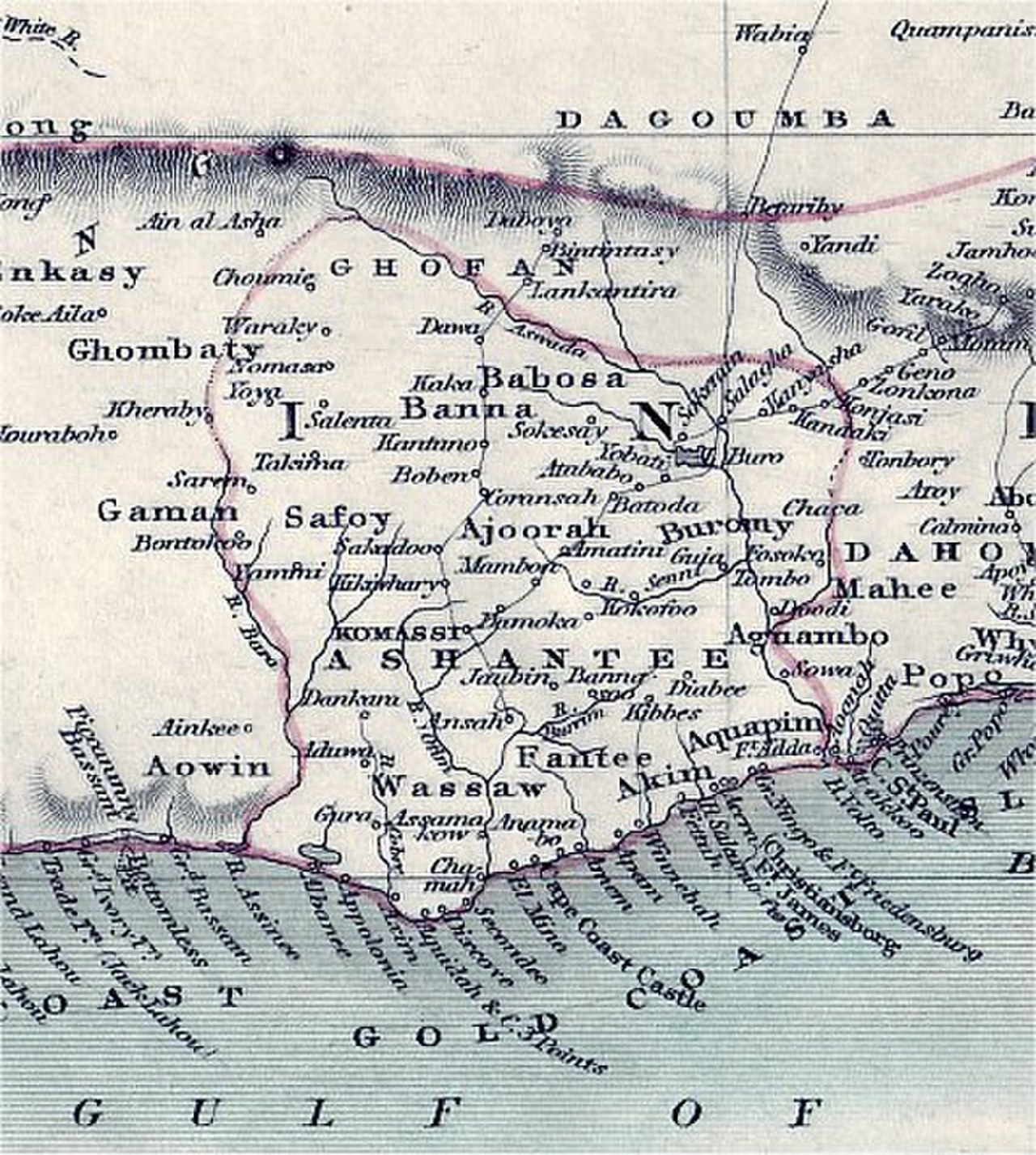
Asante Empire
The Genesis of Hegemony
The Asante Empire emerged in the late 17th century from a confederation of Akan states, driven by a confluence of internal political dynamics and external pressures, particularly from the Denkyira kingdom. The pivotal moment in its formation was the legendary unification under Osei Tutu, facilitated by the spiritual and political guidance of the priest Okomfo Anokye. The creation of the Asante Confederacy, with Kumasi as its capital, was cemented by the introduction of the Sika Dwa Kofi, the Golden Stool.
This artifact transcended mere regalia; it was imbued with the collective soul and spiritual essence of the Asante nation, serving as a powerful unifying symbol that legitimized the Asantehene's authority and fostered a potent sense of shared identity. This ideological foundation, coupled with military innovation-including the adoption of firearms and a highly organized, disciplined army-enabled the Asante to overthrow Denkyira dominance and embark on a trajectory of rapid territorial expansion throughout the 18th century.
Their military successes were not solely based on force but also on strategic alliances and the integration of conquered peoples into their political and economic system.
Economic Powerhouse
The Asante Empire's economic prosperity was intrinsically linked to its control over the rich goldfields of the region and its strategic position within evolving trade networks. Gold was not merely a commodity but a symbol of power and prestige, meticulously managed by the state. The Asantehene controlled the distribution and use of gold, reinforcing royal authority and funding state operations, including the military and administration. Beyond gold, the empire became a crucial node in both trans-Saharan and, increasingly, Atlantic trade.
Asante merchants engaged with European powers on the Gold Coast, exchanging gold, ivory, and, significantly, enslaved people for manufactured goods, firearms, and other commodities. This participation in the Atlantic slave trade was a defining, albeit morally reprehensible, aspect of Asante economic policy. The empire's ability to capture and trade large numbers of enslaved individuals was a direct consequence of its military dominance and its role as an intermediary between inland regions and coastal trading posts.
This complex economic system, while generating immense wealth for the Asante elite, also perpetuated immense human suffering and deeply integrated the empire into the exploitative global economy of the era.
Sovereignty and Society
The Asante Empire developed a sophisticated and resilient system of governance that balanced centralized authority with a degree of decentralized power. The Asantehene, while the supreme ruler, governed in consultation with a council of paramount chiefs, ensuring that decisions were broadly supported and that potential dissent was managed. This structure allowed for effective administration over a vast and diverse territory.
Asante law was codified and enforced, with customary law playing a significant role. The empire's social structure was hierarchical, with distinct classes, but also allowed for social mobility, particularly through military service. Culturally, the Asante demonstrated remarkable creativity and sophistication.
Their artistic traditions, including the intricate weaving of kente cloth, the masterful crafting of gold jewelry and regalia, and the symbolic importance of the Golden Stool, reflected their wealth, spiritual beliefs, and social hierarchy. These cultural expressions were not merely aesthetic but served vital social, political, and religious functions, reinforcing the empire's identity and its worldview. Festivals and ceremonies were elaborate affairs, underscoring the interconnectedness of political power, spiritual belief, and communal life.
Enduring Influence
The Asante Empire's impact resonates deeply within the historical narrative of West Africa and beyond. Its success in forging a unified state from disparate groups, its military innovations, and its complex economic strategies offer crucial insights into pre-colonial African political and social organization. The empire's resistance to European encroachment for an extended period, culminating in a series of Anglo-Asante wars, highlights the formidable challenges faced by colonial powers and the agency of African polities.
Furthermore, the Asante's history serves as a critical case study for understanding the multifaceted nature of African involvement in the transatlantic slave trade, moving beyond simplistic narratives to acknowledge the agency and motivations of African rulers and merchants within a global system. The cultural legacy, particularly in Ghana, remains vibrant, with Asante traditions, language, and symbols continuing to play a significant role in national identity. Studying the Asante Empire is essential for a comprehensive understanding of African history, global trade dynamics, and the enduring complexities of power, culture, and resistance.
Go deeper
Frequently Asked Questions
What was the Asante Empire and where did it come from?+
Why did the Golden Stool matter to the Asante people?+
How did the Asante become so strong in battle?+
What did the Asante trade for in the Atlantic world?+
How did the Asante govern their large empire?+
Based on content from Wikipedia · Licensed under CC BY-SA 4.0