

Aruba: The Happy Island!
Images
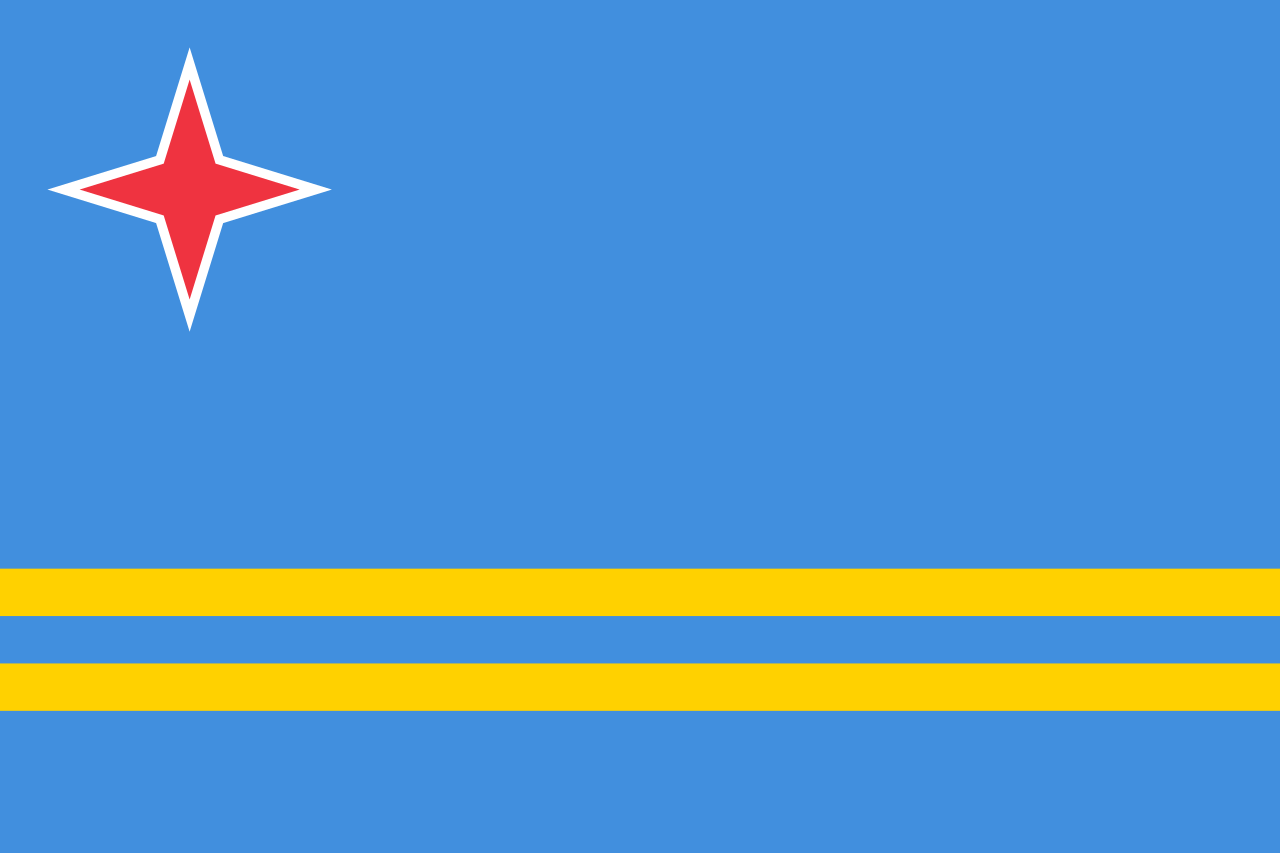
Flag Of Aruba


Geographical Isolation and Continental Connection
Aruba's geographical position in the southern Caribbean Sea, approximately 29 kilometers north of the Venezuelan peninsula, places it in a unique geopolitical and environmental context. As part of the ABC islands, it lies outside the hurricane belt, contributing to its consistent, dry climate-a stark contrast to the more humid, tropical environments typical of much of the Caribbean. This arid, xeric landscape, characterized by low vegetation and wind-sculpted Divi-divi trees, is a direct result of its location and prevailing trade winds.
Geologically, Aruba's placement on the South American continental shelf is a significant factor, differentiating it from many volcanic or coral islands in the region. Its area of 179 km² and dimensions of 32 km by 10 km make it a compact landmass where environmental and human factors are closely intertwined. This isolation, coupled with its specific climate, has fostered a distinct ecosystem and influenced the island's development and resource management strategies.
A Nation Forged Through Shifting Tides
Aruba's journey to its current status as a constituent country within the Kingdom of the Netherlands is a narrative of evolving political identities. Initially inhabited by indigenous peoples, the island later experienced periods of Dutch and Spanish influence. In 1986, Aruba achieved a significant milestone by becoming a constituent country, a status that grants it considerable autonomy in internal affairs while the Kingdom of the Netherlands handles defense and foreign affairs.
This arrangement is distinct from full independence and reflects a complex historical relationship. The island's population, numbering around 108,880 (excluding undocumented residents), is a testament to its role as a destination for migration and its capacity to integrate diverse cultural influences. The capital, Oranjestad, serves as the administrative and economic heart, reflecting the island's blend of Dutch colonial architecture and Caribbean vibrancy.
Cultural Synthesis and Linguistic Landscape
The cultural identity of Aruba is a rich mosaic, shaped by centuries of interaction between indigenous peoples, European colonizers, and African influences. The official languages are Dutch and Papiamento, a vibrant creole language that serves as a powerful symbol of Aruban identity. Papiamento's unique linguistic structure, drawing from Portuguese, Spanish, Dutch, and West African languages, highlights the island's history as a cultural crossroads.
English and Spanish are also widely spoken, facilitating communication with the diverse range of tourists and international residents. This linguistic diversity is mirrored in the island's arts, music, and culinary traditions, which celebrate a fusion of global influences with local flair. The concept of 'One Happy Island' is not merely a slogan but reflects a genuine cultural emphasis on hospitality, community, and a positive outlook, deeply ingrained in the Aruban way of life.
Economic Resilience and Diversification
Aruba's economy is heavily reliant on tourism, a sector that thrives due to the island's consistent sunny weather, pristine beaches, and well-developed infrastructure. The hospitality industry is a primary employer, attracting significant foreign investment and contributing substantially to the GDP. Historically, oil refining played a crucial role, though this sector has seen significant shifts and diversification efforts.
In recent decades, Aruba has focused on strengthening its service-based economy, including financial services and logistics, while also exploring renewable energy solutions to enhance its sustainability. Its status within the Kingdom of the Netherlands provides a stable framework for international trade and economic cooperation, allowing Aruba to leverage its strategic location and unique attributes to maintain economic viability and foster development in a competitive global market.
Governance and Educational Framework
As a constituent country within the Kingdom of the Netherlands, Aruba possesses a parliamentary democratic system. It has its own constitution and government, responsible for managing its internal affairs, including its education system. The educational framework in Aruba aims to provide comprehensive learning opportunities for its residents, aligning with international standards while incorporating local cultural context.
The curriculum typically includes instruction in Dutch and Papiamento, with English also playing a significant role, particularly in higher education and vocational training. The government invests in educational infrastructure and teacher training to ensure that Aruban citizens are well-equipped for the demands of the modern workforce, particularly within the tourism and service sectors that are vital to the island's economy. This focus on education is crucial for fostering innovation and maintaining the island's competitive edge.
Go deeper
Frequently Asked Questions
What is Aruba?+
Why is Aruba called the Happy Island?+
Where is Aruba located?+
What languages are spoken in Aruba?+
What is the main job people do in Aruba?+
Based on content from Wikipedia · Licensed under CC BY-SA 4.0