

Artist-in-residence
Images

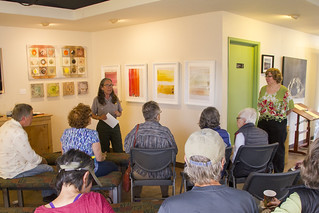
Vera Wilde, artist-in-residence at Hack42. Because Art & Science!




The Multifaceted Nature of Artist-in-Residence Programs
Artist-in-residence (AiR) programs represent a dynamic and evolving model within the contemporary arts landscape. At their core, these programs are structured initiatives designed to provide artists with dedicated time, space, and resources to pursue their artistic practice, free from the typical constraints of daily life and commercial pressures. This fundamental offering is often augmented by a collaborative element, where the artist engages with a host institution or community.
These hosts can range from academic institutions and museums to corporations, non-profit organizations, and even natural reserves. The essence of an AiR program lies in its ability to create a fertile ground for artistic exploration, experimentation, and the generation of new work. Contemporary trends show a significant move towards thematic residencies, where artists are invited to engage with specific research questions, societal issues, or the unique context of the host environment, leading to outcomes that are deeply integrated with the host's mission or location.
This shift underscores a move from simply providing space to fostering a more profound dialogue and collaborative outcome.
From Patronage to Professional Support
The concept of supporting artists in dedicated environments is not new, tracing its lineage back to historical patronage systems where wealthy individuals or institutions provided artists with living expenses and studio space in exchange for commissioned works or loyalty. However, the modern iteration of the artist-in-residence program gained significant traction in the mid-20th century, driven by a growing recognition of the need for structured, professional support for artists beyond traditional commissions.
Universities and arts foundations were instrumental in establishing these programs, aiming to foster artistic development, encourage interdisciplinary dialogue, and enrich academic and cultural communities. Early residencies often prioritized providing artists with uninterrupted time for experimentation and the development of their unique artistic voice. This period marked a crucial shift from a patron-client relationship to a more reciprocal partnership, where the artist's creative process and potential for innovation were valued in themselves, laying the groundwork for the diverse and widespread residency network we see today.
The Profound Impact
The significance of artist-in-residence programs extends far beyond the individual artist, permeating institutions and communities with transformative effects. For artists, these residencies are invaluable crucibles for innovation, offering the rare opportunity to detach from routine, explore uncharted creative territories, and refine their artistic vision. The immersion in a new environment and interaction with diverse individuals can spark unexpected insights and lead to significant breakthroughs in their work.
For host organizations, an AiR brings fresh perspectives, stimulates intellectual and creative discourse, and enhances their public programming. They can serve as catalysts for community engagement, making art more accessible and fostering a deeper appreciation for creative processes. Furthermore, residencies can bridge disciplines, fostering collaborations between artists and scientists, technologists, or social scientists, leading to novel forms of inquiry and expression.
This cross-pollination of ideas enriches the cultural ecosystem and challenges conventional boundaries of knowledge and creativity.
Operational Frameworks
The operational framework of an artist-in-residence program involves a symbiotic relationship between the artist and the host. Institutions typically issue calls for applications, inviting artists to submit detailed proposals that articulate their artistic goals, the specific project they intend to pursue during the residency, and how the program's resources align with their vision. A rigorous selection process, often involving peer review, identifies artists whose work and proposed projects resonate with the residency's mission and objectives.
Upon acceptance, the artist enters into an agreement specifying the duration of the residency, the provided resources (which may include studio space, accommodation, a stipend, materials, and access to facilities), and the artist's commitment to engagement activities. These engagement components are crucial and can manifest as public lectures, workshops, open studio events, collaborative projects with the host community, or contributions to the institution's archives or collections. This structured exchange ensures that the residency is mutually beneficial, fostering artistic growth while enriching the host environment.
Contemporary Manifestations
Artist-in-residence programs today manifest in an astonishing array of forms, reflecting their adaptability and broad applicability across various sectors. Beyond traditional arts institutions, residencies are increasingly found in scientific laboratories, national parks, tech companies, and even urban planning departments. For instance, artists-in-residence at scientific institutions might collaborate with researchers to visualize complex data or explore ethical implications of new technologies, leading to unique interdisciplinary outputs.
Residencies in natural settings offer artists opportunities for deep environmental engagement, inspiring works that address ecological concerns. The rise of thematic and project-specific residencies, such as those focused on social practice, digital art, or specific historical research, further diversifies the landscape. Looking ahead, the trend towards greater interdisciplinary collaboration and a focus on societal impact suggests that artist-in-residence programs will continue to evolve, playing an even more critical role in fostering innovation, critical dialogue, and cultural relevance in an increasingly complex world.
See also
Frequently Asked Questions
What is an artist-in-residence program?+
Why do schools and museums have artist-in-residence programs?+
How does an artist-in-residence help the artist?+
Where can an artist-in-residence stay?+
When did artist-in-residence programs become popular?+
Based on content from Wikipedia · Licensed under CC BY-SA 4.0