

Arrondissements of France
Images

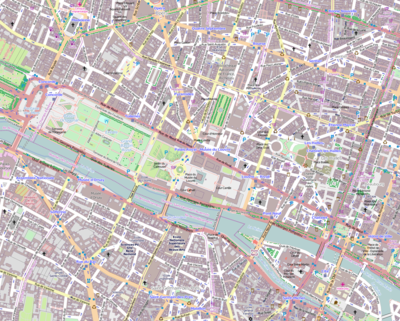
14e Arrondissement, Paris, France - Open Street Map




The Genesis and Evolution of French Arrondissements
The administrative division of France into arrondissements is a product of deliberate governmental reform, primarily stemming from the Napoleonic era and subsequent administrative reorganizations aimed at centralizing and rationalizing governance. Established by the law of 17 February 1800, the arrondissement was conceived as a key intermediate level between the department and the commune. Its primary purpose was to facilitate the implementation of national policies, improve judicial oversight, and streamline administrative processes across the vast French territory.
Initially, there were 300 arrondissements, a number that has fluctuated slightly over time due to administrative adjustments and territorial changes, reaching 333 in the present day, including those in overseas departments and territories. This enduring structure reflects a pragmatic approach to governance, balancing national unity with regional administration. The concept of the arrondissement has also influenced administrative divisions in other Francophone regions, notably in Quebec, Canada, underscoring its historical significance and adaptability.
Administrative Architecture
Arrondissements serve as the operational arm of the French departmental administration. Each arrondissement is headed by a subprefect, a high-ranking civil servant appointed by the President of the Republic on the proposal of the Minister of the Interior. The subprefect's role is to represent the state within the arrondissement, ensure the enforcement of laws, manage public services, and coordinate with the elected officials of the communes.
A unique aspect of this system is that when an arrondissement contains the prefecture of its department, the prefect of the department also assumes the responsibilities of subprefect for that specific arrondissement. This consolidation streamlines administration in major urban centers. Below the arrondissement level are the communes, the fundamental units of local government, each with its own elected mayor and council.
This multi-tiered structure, with arrondissements acting as a crucial link between the national government and local communes, is designed for efficient governance and responsiveness to diverse local needs across France.
Socio-Economic Dynamics Within Arrondissements
The socio-economic fabric of France is intricately woven through its arrondissements, each exhibiting distinct characteristics shaped by geography, history, and economic specialization. Urban arrondissements, particularly those encompassing major cities like Paris, Lyon, or Marseille, are centers of economic activity, characterized by high population density, diverse industries (finance, technology, services), and significant cultural offerings. These areas often face challenges related to urban sprawl, housing affordability, and public transportation.
Conversely, rural arrondissements are typically characterized by lower population densities, economies reliant on agriculture, forestry, or tourism, and a slower pace of life. These regions may grapple with issues such as rural depopulation, access to essential services, and the preservation of traditional economies. The administrative focus of subprefects often involves addressing these specific regional disparities, promoting local development, and ensuring equitable distribution of resources and opportunities across the diverse spectrum of French territory.
Cultural Identity and Regionalism
While France is a unified nation, the arrondissements play a subtle yet significant role in shaping regional identities and cultural expressions. Historically, many arrondissements correspond to older administrative or geographical regions, fostering a sense of local belonging and distinctiveness. The languages spoken within arrondissements can vary, with regional languages and dialects persisting alongside standard French, contributing to a rich linguistic heritage.
Local traditions, festivals, and culinary specialties are often celebrated and preserved at the arrondissement or commune level, reinforcing cultural diversity. The subprefect's office can sometimes act as a focal point for promoting local culture and heritage. This interplay between national identity and regional particularism, facilitated by the administrative framework of arrondissements, is a defining characteristic of French society, allowing for both national cohesion and the celebration of its multifaceted cultural landscape.
Education and Governance
Education within the arrondissements is managed through a national framework but delivered at the local level, with communes playing a vital role in primary education infrastructure. The Ministry of National Education sets the curriculum and standards, while local authorities are responsible for building and maintaining schools. Arrondissements, through their subprefects, ensure that educational policies are implemented effectively and that educational resources are allocated appropriately.
Higher education and specialized training institutions are often concentrated in larger urban arrondissements, drawing students from across the country and beyond. The governance structure, with subprefects overseeing administrative functions and mayors managing local affairs, creates a system where educational development is supported by both national directives and local initiatives. This collaborative approach aims to provide accessible and quality education to all citizens, regardless of their location within an arrondissement.
See also
Frequently Asked Questions
What is an arrondissement in France?+
When were arrondissements created?+
Who runs an arrondissement?+
How many arrondissements are there in France today?+
What is the difference between an urban and a rural arrondissement?+
Based on content from Wikipedia · Licensed under CC BY-SA 4.0