

Arnhem
Images

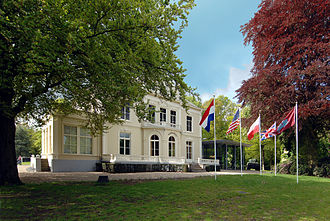
The Musis Sacrum, Late Afternoon Panoramio




Geographical Foundations and Strategic Position
Arnhem's identity is deeply intertwined with its geography. Situated in the eastern Netherlands, it occupies a pivotal position near the German border, historically facilitating trade and cultural exchange. The city is bisected by the Nederrijn, a significant distributary of the Rhine River, and further nourished by the Sint-Jansbeek, a historical watercourse that was instrumental in the city's early urban development and industrialization.
This fluvial geography not only provided resources but also shaped its physical layout and defensive capabilities throughout history. The northern reaches of the Arnhem municipality extend into the Hoge Veluwe National Park, a remarkable landscape characterized by diverse ecosystems including heathlands, sand dunes, and woodlands. This juxtaposition of urban development with significant natural preserves highlights Arnhem's unique environmental context, offering residents and visitors access to both metropolitan amenities and expansive natural beauty.
From Medieval Origins to Modern Resilience
The historical trajectory of Arnhem is marked by its growth from a settlement along the Sint-Jansbeek to a significant regional center. While specific founding dates are not detailed, its development was intrinsically linked to its riverine location, which supported trade and agriculture. The city has witnessed periods of considerable hardship and resilience, notably during World War II, where it was the site of the pivotal Battle of Arnhem.
This event, part of Operation Market Garden, left a lasting impact on the city and its people, fostering a strong sense of remembrance and a commitment to peace. The Airborne Museum 'Hartenstein' stands as a poignant testament to this history, attracting visitors interested in military history and the sacrifices made. Arnhem's ability to rebuild and continue evolving underscores its enduring spirit.
A Vibrant Tapestry of Culture and Education
Arnhem distinguishes itself as a dynamic center for culture and higher education. It hosts prominent institutions such as the Hogeschool van Arnhem en Nijmegen (HAN University of Applied Sciences) and ArtEZ Institute of the Arts, attracting a diverse student population and fostering innovation in various fields. Beyond academia, the city boasts significant cultural attractions.
The Netherlands Open Air Museum offers an immersive experience into Dutch history and rural life, while the Royal Burgers' Zoo provides extensive zoological and ecological exhibits. Arnhem is also a national hub for sports, home to the NOCNSF (Dutch Olympic CommitteeDutch Sports Federation) and the National Sports Centre Papendal. This concentration of educational, cultural, and sporting facilities creates a rich environment for personal growth, research, and leisure, contributing to a high quality of life.
Economic Drivers and Urban Planning
The economic landscape of Arnhem is multifaceted, benefiting from its status as the capital of Gelderland. Key sectors include education, healthcare, and public administration, driven by the presence of governmental bodies and educational institutions. The tourism industry plays a significant role, bolstered by the city's cultural attractions, the national park, and its historical significance. Retail and services form the backbone of local employment, catering to both residents and visitors.
Furthermore, Arnhem's commitment to sports development, exemplified by Papendal, generates economic activity through training programs, events, and related hospitality services. Urban planning in Arnhem often focuses on integrating these diverse economic functions with residential areas and green spaces, aiming for sustainable development and enhancing the city's livability.
Governance and Civic Life
As the capital of the province of Gelderland, Arnhem plays a crucial role in regional governance. The municipal government is responsible for local administration, public services, and urban development within its approximately 55 square kilometer area. This involves managing infrastructure, ensuring public safety, and implementing policies that affect the daily lives of its approximately 159,000 residents.
The city's governance structure aims to balance the needs of a growing urban center with the preservation of its natural surroundings and historical heritage. Civic engagement is fostered through various community initiatives and public forums, encouraging resident participation in shaping the future of Arnhem. The city's proximity to the German border also necessitates cooperation on cross-border issues, reflecting its position within a broader European context.
Go deeper
Based on content from Wikipedia · Licensed under CC BY-SA 4.0