

Armani: The Amazing World of Fashion!
Images

Chiara Ferragni at Milan Fashion Week, Armani show


The Genesis of an Icon
The story of Armani is intrinsically linked to its founder, Giorgio Armani, and the vibrant fashion landscape of Milan. Established in 1975, the Giorgio Armani S.p.A. quickly transcended its origins to become a global symbol of Italian luxury and sophisticated design. Armani's initial success was built on a revolutionary approach to tailoring, particularly for menswear, where he deconstructed traditional suit jackets, creating a softer, more fluid silhouette that became instantly recognizable.
This innovation wasn't just about aesthetics; it was about a new way of feeling and moving in clothing, emphasizing comfort and understated elegance. The brand's philosophy centers on creating timeless pieces that empower the wearer, a stark contrast to fleeting trends. This dedication to enduring style has allowed Armani to maintain its relevance and desirability across decades, solidifying its position as a cornerstone of the international fashion industry.
The company's meticulous attention to detail, from fabric selection to the final stitch, underscores its commitment to unparalleled quality.
Diversification and Dominance
Armani's influence extends far beyond haute couture and ready-to-wear. The brand has strategically diversified its offerings, creating a comprehensive lifestyle empire. This expansion includes meticulously crafted leather goods, footwear, and accessories, each bearing the unmistakable Armani hallmark of quality and design.
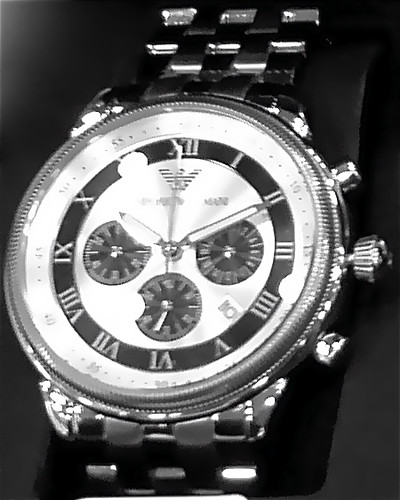
Furthermore, Armani Casa brings its design ethos into the realm of interior design, offering furniture, textiles, and decorative items that imbue living spaces with the brand's signature elegance. The strategic decision to license its name and branding to leading manufacturers like Luxottica for eyewear and L'Oréal for fragrances and cosmetics has been instrumental in its global reach. These partnerships ensure that the quality and aesthetic associated with Armani are maintained across a wider range of products, making the brand accessible to a broader consumer base while reinforcing its luxury image.
This integrated approach creates a powerful brand ecosystem where every touchpoint reinforces Armani's core values.
A Hierarchy of Style
The Armani brand operates with a sophisticated tiered structure, catering to diverse market segments and consumer preferences. At the pinnacle is Armani Privé, the exclusive haute couture line. These are bespoke creations, often presented during Paris Fashion Week, representing the zenith of craftsmanship and artistic expression, designed for a select clientele.
Below this are the core ready-to-wear lines: Giorgio Armani, the flagship collection embodying timeless sophistication, and Emporio Armani, which offers a more contemporary and youthful interpretation of the brand's aesthetic, often showcased at Milan Fashion Week. Further down the price spectrum are lines like Armani Collezioni, Armani Exchange, and Armani Jeans. Armani Exchange, in particular, targets a younger, more trend-conscious demographic with its urban-inspired designs.
This multi-brand strategy allows Armani to capture market share across different economic brackets, ensuring brand visibility and loyalty from a wide array of consumers, from seasoned collectors to emerging fashion enthusiasts.
Cultural Resonance and Enduring Significance
Armani's significance in fashion and culture is profound and multifaceted. It represents the epitome of Italian style, characterized by its clean lines, luxurious fabrics, and understated elegance. The brand has played a pivotal role in shaping modern fashion sensibilities, influencing designers and consumers alike.
Armani's ability to adapt while staying true to its core identity has been key to its enduring success. In 2017, it was recognized as Italy's second-largest fashion group, a testament to its economic power and cultural impact. Beyond its commercial success, Armani has become synonymous with aspiration and achievement, often associated with influential figures in business, arts, and entertainment.
Its presence on red carpets and in high-profile events further cements its status as a cultural touchstone. The brand's legacy is not just in the garments it produces, but in the confidence and poise it instills in those who wear it, making it a lasting icon of global luxury.
See also
Frequently Asked Questions
What is Armani?+
Who started Armani?+
Why do people love Armani clothes?+
What kinds of products does Armani sell?+
What is Armani Privé?+
Based on content from Wikipedia · Licensed under CC BY-SA 4.0