

Argentine Sea
Images
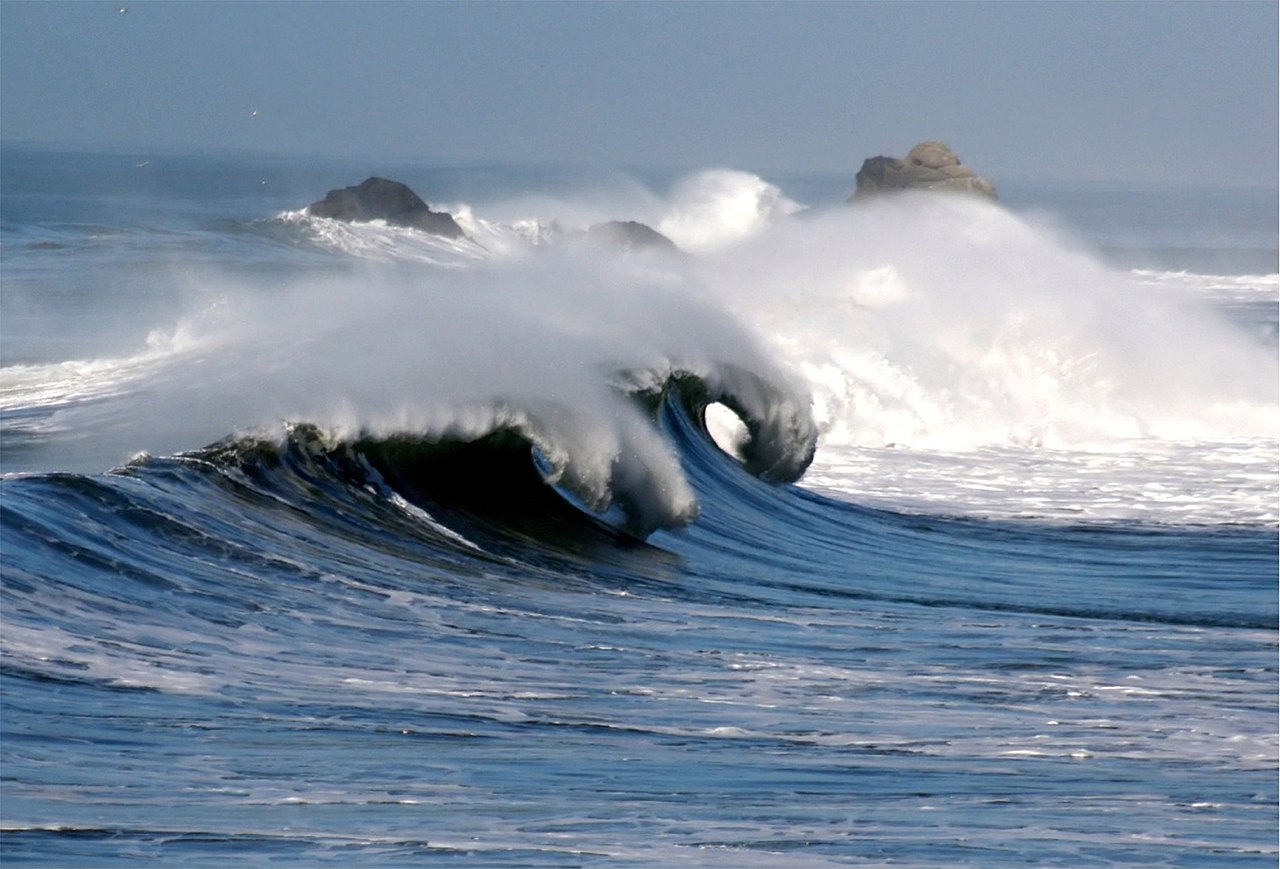
Waves In Pacifica 1


Oceanographic Delineation and Physical Characteristics
The Argentine Sea is geographically defined as a marginal sea of the Atlantic Ocean, situated off the southeastern coast of South America. Its northern limit is established at the mouth of the Río de la Plata estuary, corresponding to the 35th parallel south latitude. The southern extent reaches Isla de los Estados.
Crucially, its oceanic boundary is delineated by the 200-meter isobath, marking the edge of the Patagonian continental shelf. This shelf is a critical feature, influencing the sea's hydrography and ecological productivity. The width of the Argentine Sea is highly variable, ranging from approximately 210 kilometers off Mar del Plata to an expansive 850 kilometers at the latitude of the Falkland Islands.
This variability is a direct consequence of the continental shelf's morphology. The extensive coastline, measuring 4,725 kilometers, underscores its significant interface with the landmass. To the east, the sea transitions into the much deeper and more extensive Argentine Basin, a significant abyssal plain that influences regional ocean currents and sediment transport.
Ecological Significance and Biodiversity Hotspot
The Argentine Sea is recognized as a highly productive marine ecosystem, supporting a rich tapestry of biodiversity. Its waters are influenced by a confluence of currents, including the cold Falkland Current and the warmer Brazil Current, creating a dynamic environment that fosters high biological productivity. This is particularly evident in the nutrient-rich upwelling zones, which sustain abundant plankton populations.
These, in turn, form the base of a complex food web that includes a vast array of fish species, such as hake and anchovies, which are vital for commercial fisheries. The sea also serves as a critical habitat and feeding ground for numerous marine mammals, including various species of whales and dolphins, as well as numerous seabird colonies that depend on the abundant fish stocks. The unique combination of shelf topography, oceanic influences, and nutrient availability makes the Argentine Sea a biodiversity hotspot of regional and global importance, necessitating careful management to ensure its long-term health.
Economic Engine
The Argentine Sea is an economic powerhouse for Argentina, primarily driven by its rich fisheries. The commercial fishing industry is one of the country's most significant economic sectors, with species like hake (Merluccius hubbsi) being a major target. The abundance and accessibility of these fish stocks within the Argentine Sea have supported a large fleet and processing industry, contributing substantially to employment and export revenues.
Beyond fisheries, the sea is a crucial corridor for international maritime trade. Major ports along the Argentine coast, such as Buenos Aires and Mar del Plata, handle significant volumes of cargo, connecting Argentina to global markets. The strategic location of the Argentine Sea also makes it important for regional navigation and potential resource exploration, although the latter is subject to ongoing debate and environmental considerations.
The economic reliance on these marine resources underscores the need for sustainable practices and effective governance.
Geopolitical Considerations and Governance
The Argentine Sea is not only an ecological and economic zone but also a subject of geopolitical interest. Its maritime boundaries and resource management are integral to Argentina's national sovereignty and international relations. The definition of its maritime jurisdiction, including the Exclusive Economic Zone (EEZ), is crucial for controlling fishing rights and other economic activities.
The presence of the Falkland Islands (Islas Malvinas) within the broader maritime region adds a layer of historical and ongoing geopolitical complexity. Governance of the Argentine Sea involves a complex web of national legislation, international maritime law, and regional cooperation frameworks. Argentina actively participates in international bodies to manage shared fish stocks and address issues like marine pollution and conservation.
The sustainable management of this vast marine area requires robust scientific research, effective enforcement, and diplomatic engagement to balance economic development with environmental protection.
Challenges and Future Directions
Despite its immense value, the Argentine Sea faces numerous challenges. Overfishing of key species, driven by both domestic and international fleets, poses a significant threat to the long-term sustainability of its fisheries. Climate change is another growing concern, with potential impacts on ocean temperatures, currents, and marine species distribution. Pollution from land-based sources and maritime activities also affects water quality. Addressing these challenges requires a multi-faceted approach.
Strengthening fisheries management through science-based quotas and enforcement, establishing marine protected areas to conserve critical habitats, and investing in research to understand and mitigate the impacts of climate change are paramount. International cooperation is also vital, particularly for managing transboundary fish stocks and addressing issues like illegal, unreported, and unregulated (IUU) fishing. The future of the Argentine Sea hinges on a commitment to sustainable practices and adaptive governance that prioritizes the health of this vital marine ecosystem.
See also
Frequently Asked Questions
What is the Argentine Sea?+
Where does the Argentine Sea meet the deep ocean?+
Why is the Argentine Sea important for fish?+
What animals live in the Argentine Sea?+
How does the Argentine Sea help Argentina's economy?+
Based on content from Wikipedia · Licensed under CC BY-SA 4.0