

Arch of the Philaeni
Images

Arch Of The Philaeni 01


Architectural Propaganda and Colonial Ambition
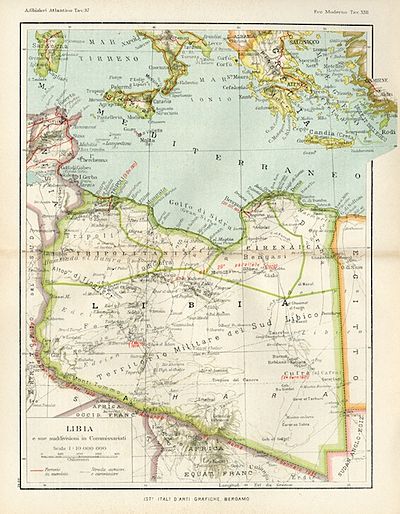
Erected in 1937 by Fascist Italy, the Arch of the Philaeni was far more than a mere geographical marker; it was a deliberate piece of imperial propaganda. Situated on the border between Italian Tripolitania and Cyrenaica, its construction celebrated the administrative unification of these colonies into a single entity, Italian Libya. Designed by Florestano Di Fausto, a prominent architect of Italian colonialism, the arch drew heavily on classical Roman architectural motifs.
This stylistic choice was intentional, aiming to forge a visual and ideological link between the grandeur of the ancient Roman Empire and the ambitions of Mussolini's Fascist regime. The arch served as a tangible representation of Italy's perceived historical destiny and its presence in North Africa, projecting an image of power, order, and civilizing influence.
The Myth of the Philaeni and Fascist Virtues
The arch's name and iconography were deeply rooted in ancient legend. The Philaeni brothers, Carthaginian figures from antiquity, were immortalized for their supposed willingness to be buried alive to secure a favorable border settlement. Fascist ideology co-opted this narrative, reinterpreting the brothers' sacrifice as an embodiment of virtù, a key Fascist concept emphasizing courage, sacrifice, and unwavering loyalty to the state. Bronze statues depicting their martyrdom and Latin inscriptions glorifying Fascist Italy were integral to the arch's design.
These elements were intended to inspire a sense of shared history and collective identity, encouraging Libyans and Italians alike to view the regime's actions through the lens of ancient heroism and patriotic duty.
A Strategic Lifeline and Wartime Landmark
The Arch of the Philaeni held significant functional importance as it straddled the Litoranea, the first trans-Libyan highway. This road was a monumental feat of engineering, connecting the eastern and western extremities of the colony and facilitating transportation, trade, and military movement. During World War II, the Litoranea became a critical artery for both Allied and Axis forces engaged in the North African campaign.
The arch, as a prominent landmark on this vital route, witnessed intense military activity. It was during this period that British soldiers, traversing the desert, bestowed upon it the evocative nickname 'Marble Arch,' a testament to its striking appearance amidst the arid landscape.
Symbolic Demolition and Historical Erasure
Despite surviving the ravages of World War II, the Arch of the Philaeni ultimately succumbed to political upheaval. In the early 1970s, under the rule of Muammar Gaddafi, the arch was demolished. This act can be interpreted as a symbolic rejection of Libya's colonial past and the imperial narratives that the arch represented.
Gaddafi's regime sought to forge a new national identity, distinct from the influences of former colonial powers. The destruction of the arch was a deliberate attempt to erase a visible reminder of Italian dominance and to assert Libyan sovereignty. Today, the Arch of the Philaeni exists primarily in historical records, photographs, and the collective memory, a poignant example of how monuments can become sites of contested historical meaning and political change.
See also
Frequently Asked Questions
What was the Arch of the Philaeni?+
Why did Italy build the arch?+
Where was the arch located?+
What happened to the arch?+
Who were the Philaeni brothers?+
Based on content from Wikipedia · Licensed under CC BY-SA 4.0