

Anni-Frid Lyngstad
Images

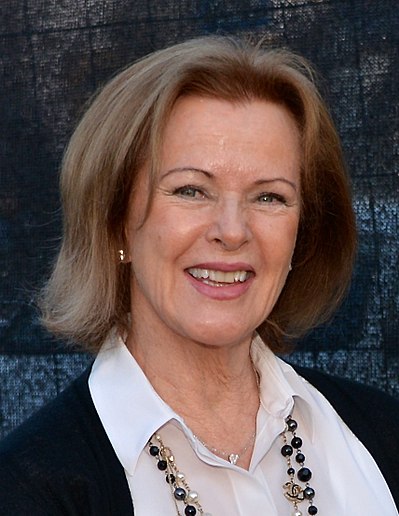
File:Frida Lyngstad Schiphol 1976.jpg




The Genesis of a Voice
Anni-Frid Synni Lyngstad's story begins in Bjørkåsen, Norway, on November 15, 1945. Born to a Norwegian mother and a German father, her early life was marked by displacement and resilience, eventually leading her to Torshälla, Sweden. It was in Sweden that her profound musical talent began to surface, initially within the realm of jazz.
Her professional journey commenced in 1967 after winning a national talent competition, 'New Faces,' with her rendition of 'En ledig dag.' This pivotal victory not only garnered her significant attention, including a television appearance on 'Hylands Hörna,' but also secured her a recording contract with EMI. Subsequently, her music career was further shaped under Stig Anderson's Polar Music label. During this period, Lyngstad released several singles and her self-titled debut album, 'Frida,' achieving moderate success within Sweden.
Her participation in Melodifestivalen 1969 with 'Härlig är vår jord' showcased her national standing and readiness for a broader stage, laying the groundwork for her future international acclaim.
ABBA's Ascendancy
The true trajectory of Anni-Frid Lyngstad's fame was irrevocably altered by her induction into ABBA. As one of the band's two lead vocalists, alongside Agnetha Fältskog, and a founding member alongside Fältskog, Benny Andersson, and Björn Ulvaeus, Lyngstad became an integral part of one of history's most successful musical ensembles. ABBA's innovative blend of pop sensibilities, sophisticated production, and universal themes propelled them to unprecedented global success.
The group's cumulative sales of over 150 million albums and singles worldwide attest to their monumental impact on the music industry and popular culture. Lyngstad's powerful and emotive vocal performances were central to ABBA's sonic identity, contributing significantly to their string of international hits. Her stage presence and vocal prowess were crucial elements in the band's captivating live shows and the enduring appeal of their recorded music, solidifying ABBA's status as a cultural phenomenon.
Post-ABBA Ventures
Following ABBA's hiatus and eventual dissolution, Anni-Frid Lyngstad pursued an international solo career, seeking to explore different musical avenues and artistic expressions. Her post-ABBA discography includes albums like 'Something's Going On' (1982), which marked a significant shift towards a more rock-oriented sound, and 'Shine' (1984), both of which garnered critical attention and moderate commercial success. These releases demonstrated her capacity to evolve as an artist beyond the ABBA framework.
However, Lyngstad's artistic journey also involved a deep connection to her cultural heritage. In 1996, she released 'Djupa andetag' (Deep Breaths), her final album, recorded entirely in Swedish. This project, released by Anderson Records, represented a profound return to her linguistic and cultural roots, serving as a deeply personal artistic statement.
Following the release of 'Djupa andetag,' Lyngstad made the deliberate decision to retire from public musical performance, shifting her focus away from the recording industry.
Enduring Influence and Cultural Resonance
Anni-Frid Lyngstad's legacy is multifaceted, extending beyond her individual achievements to her indelible contribution to ABBA's global impact. The enduring popularity of ABBA's music, evidenced by the continued success of 'Mamma Mia!' the musical and film adaptations, and the band's resurgence in recent years, underscores the timeless quality of their work. Lyngstad's journey from a nascent jazz singer to a globally recognized pop icon serves as a testament to her talent, dedication, and adaptability.
Her powerful vocal delivery and charismatic stage presence were instrumental in shaping ABBA's distinctive sound and image. As a pioneering female artist in a male-dominated industry, she broke barriers and inspired countless aspiring musicians. The extensive catalog of music she helped create continues to resonate with audiences worldwide, cementing her status as a significant and influential figure in the annals of popular music history.
See also
Frequently Asked Questions
What is Anni-Frid Lyngstad known for?+
Where was Anni-Frid Lyngstad born?+
How did Anni-Frid Lyngstad start her music career?+
Why did Anni-Frid Lyngstad release an album in Swedish?+
When did Anni-Frid Lyngstad retire from performing?+
Based on content from Wikipedia · Licensed under CC BY-SA 4.0