

Anne, Queen of Great Britain
Images

Dahl, Michael Queen Anne NPG 6187
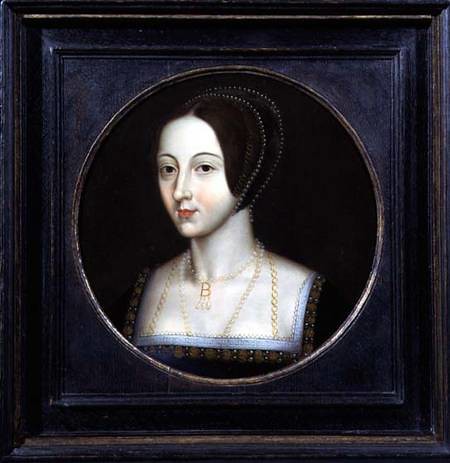


Navigating Dynastic Instability and Religious Divides
Anne Stuart's accession in 1702 followed a period of significant dynastic upheaval. Her father, James II, was deposed in the Glorious Revolution of 1688 due to fears of his Catholic absolutism, leading to the joint rule of her Protestant sister Mary II and her Dutch cousin William III. Anne's own position was complicated by her relationship with Mary, which became estranged due to political disagreements and Anne's perceived reliance on certain political factions.
Raised as an Anglican, Anne's religious adherence was a critical factor in her legitimacy and political alignment, contrasting sharply with her father's Catholicism. Her marriage to Prince George of Denmark, a Lutheran, reflected the complex inter-European royal alliances of the era. The lack of surviving issue from her numerous pregnancies presented a profound succession crisis, a central concern that shaped much of the political landscape of her reign and necessitated legislative action to secure a Protestant line of succession.
The Genesis of Great Britain
The most defining achievement of Anne's reign was the ratification of the Acts of Union in 1707, which merged the independent kingdoms of England and Scotland into the Kingdom of Great Britain. This union was not merely symbolic; it was a complex political and economic maneuver driven by various factors, including England's desire for greater security and Scotland's economic woes. Anne, as the reigning monarch, lent her royal authority to this transformative process.
Her political leanings generally favored the Tories, who were often more aligned with the Anglican establishment and traditional hierarchies, though the pressures of the War of the Spanish Succession saw the Whigs gain significant influence. Anne's ability to dismiss Whig ministers in 1710 demonstrated her capacity to assert royal prerogative and shape government policy, even amidst powerful political currents.
Personal Tragedy and the Shadow of Historical Interpretation
Queen Anne's personal life was marked by profound tragedy, most notably the repeated loss of her children. Despite 17 pregnancies, the death of her only surviving son, Prince William, Duke of Gloucester, in 1700, precipitated a severe succession crisis. This personal devastation undoubtedly impacted her reign and her approach to governance.
Her close relationship with Sarah Churchill, Duchess of Marlborough, a formidable political and social figure, eventually deteriorated due to political divergences and personal slights. Sarah's subsequent memoirs offered a highly critical and often unflattering portrayal of Anne, which dominated historical narratives for centuries. This 'Marlborough view' often depicted Anne as weak, easily influenced, and sickly, overshadowing her political acumen and her role in national unification.
Modern scholarship has sought to re-evaluate Anne, recognizing her resilience and her agency in navigating the complex political and personal challenges of her time.
The End of the Stuart Line and the Hanoverian Succession
Anne's reign concluded in 1714, marking the end of the House of Stuart. Her death without a surviving heir necessitated the implementation of the Act of Settlement 1701. This crucial piece of legislation, designed to prevent a Catholic monarch from ascending the throne, dictated that the crown would pass to Sophia of Hanover and her Protestant descendants.
Consequently, Anne was succeeded by her second cousin, George I, Elector of Hanover, ushering in the Hanoverian era. Anne's legacy is thus intrinsically linked to the consolidation of Great Britain as a unified state and the establishment of a new royal dynasty, all while grappling with the personal burdens of ill health and the profound grief of losing her children, a duality that continues to fascinate historians.
See also
Frequently Asked Questions
Who was Queen Anne and when did she rule?+
Why did Queen Anne unite England and Scotland?+
How many children did Queen Anne have and what happened to them?+
What was the Act of Settlement and why was it important?+
Who was Sarah Churchill and how did she influence Queen Anne?+
Based on content from Wikipedia · Licensed under CC BY-SA 4.0