

The Angolan Civil War: A Long Fight for a Country
Images
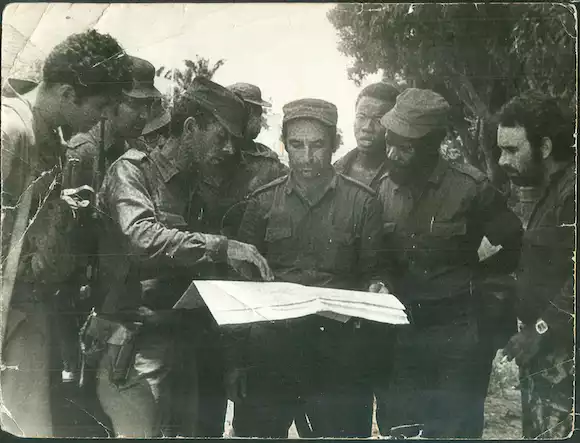
Angolan Civil War
Decolonization's Double-Edged Sword
Angola's independence in 1975, following 14 years of armed struggle against Portuguese colonial rule, was a moment of profound national aspiration. However, the very movements that fought for liberation-the MPLA, UNITA, and FNLA-possessed divergent ideologies and competing visions for the nascent state. The MPLA, with its Marxist-Leninist leanings, sought a centralized, socialist republic, drawing support from the Soviet bloc and Cuba.
UNITA, led by Jonas Savimbi, advocated for a more decentralized, multi-party system, aligning itself with Western powers and South Africa. The FNLA, initially a significant force, was gradually marginalized. The premature withdrawal of Portuguese administration and the immediate eruption of inter-factional fighting created a power vacuum, transforming the struggle for independence into a brutal civil war characterized by shifting alliances and external interference.
The Geopolitical Crucible
The Angolan Civil War became a significant theater of the Cold War, with the superpowers leveraging the conflict to advance their strategic interests. The MPLA's consolidation of power, supported by substantial Soviet and Cuban military and economic aid, was seen as a communist expansion in Southern Africa. Conversely, the United States, fearing this influence, provided covert and overt support to UNITA and, initially, the FNLA.
South Africa, under apartheid, actively intervened militarily, viewing a UNITA victory as a strategic buffer against perceived threats from liberation movements operating in neighboring territories. This internationalization of the conflict not only prolonged the war but also exacerbated regional instability, drawing in forces from neighboring countries like Zaire and Zambia, and contributing to the broader geopolitical tensions of the era.
Societal Fragmentation and Enduring Scars
The protracted nature of the Angolan Civil War inflicted catastrophic damage on its society and economy. Decades of continuous warfare led to the widespread destruction of infrastructure, including roads, bridges, power grids, and agricultural lands. Millions were displaced internally or fled to neighboring countries, creating a massive refugee crisis.
The conflict severely disrupted education and healthcare systems, leaving generations without adequate schooling or medical care. The pervasive use of landmines continued to pose a deadly threat long after the fighting ceased, hindering reconstruction and agricultural development. Economically, the war crippled Angola's potential, diverting vast resources towards military expenditure and hindering the development of its rich natural resources, particularly oil and diamonds, which often fueled the conflict itself.
The Path to Resolution
Numerous attempts were made to broker peace throughout the war, most notably the Bicesse Accords of 1991 and the Lusaka Protocol of 1994. These agreements, however, ultimately failed to achieve lasting stability, often collapsing due to continued mistrust, violations, and the intransigence of key leaders. The final breakthrough came in 2002, following the death of UNITA's charismatic leader, Jonas Savimbi, in combat.
This event created a critical juncture, allowing for renewed negotiations that culminated in the signing of a definitive ceasefire and peace agreement. The post-conflict period has been characterized by efforts towards national reconciliation, demobilization, reintegration of ex-combatants, and the challenging task of rebuilding institutions and infrastructure, while grappling with the legacy of corruption and the equitable distribution of wealth from natural resources.
Contemporary Relevance
The Angolan Civil War offers critical lessons for understanding post-colonial state-building, the devastating impact of proxy conflicts, and the complexities of achieving sustainable peace. Its legacy continues to shape Angola's political landscape, economic development, and social fabric. The challenges of equitable resource management, national reconciliation, and strengthening democratic institutions remain pertinent.
Furthermore, the war serves as a stark reminder of how external geopolitical rivalries can prolong and intensify internal conflicts, with devastating consequences for the affected populations. Studying the Angolan experience provides valuable insights into the long-term ramifications of civil strife and the arduous journey towards recovery and lasting stability in war-torn nations.
See also
Frequently Asked Questions
What caused the Angolan Civil War after the country became independent?+
Who were the main groups fighting in Angola and what did they want?+
How did other countries get involved in the Angolan Civil War?+
What were some of the big problems that the war caused for people in Angola?+
How did the war finally end in 2002?+
Based on content from Wikipedia · Licensed under CC BY-SA 4.0