

Amersfoort
Images
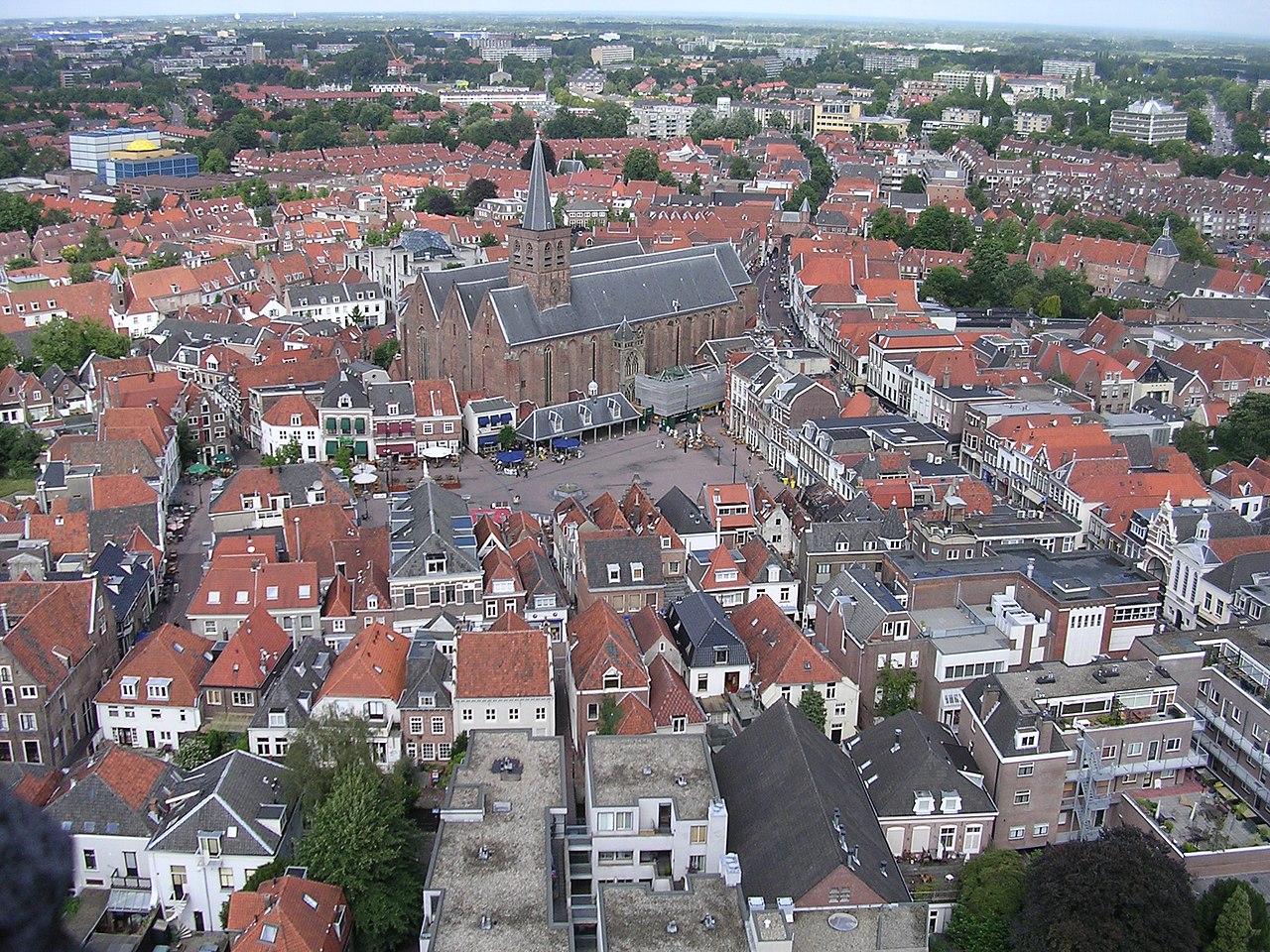
Sint Joriskerk Te Amersfoort


Amersfoort's Strategic Geography and Infrastructure
Amersfoort, situated within the province of Utrecht in the Netherlands, stands as a testament to strategic urban planning and infrastructural development. As the second-largest municipality in its province and fifteenth nationally, its population of over 160,000 residents underscores its significance. The city's true prominence, however, lies in its role as a critical railway junction.
Amersfoort is strategically positioned on two of the Netherlands' principal east-west and north-south railway corridors. This geographical advantage is amplified by its three major stations: Amersfoort Centraal, Schothorst, and Vathorst. These stations are not merely transit points but vital nodes in the national transportation network, facilitating efficient movement of both passengers and freight.
The city's development has been intrinsically linked to its railway infrastructure, making it a dynamic hub that supports economic activity and connectivity across the country. Its location has historically dictated its growth and continues to shape its modern identity as a central point of access.
A Millennium of Evolution
Amersfoort's rich historical tapestry is vividly illustrated by its 750th anniversary as a city in 2009, suggesting its foundation around 1259. This longevity means the city has witnessed and adapted through numerous historical epochs, from medieval development to modern industrialization and digital transformation. Its historical trajectory is marked by periods of growth, economic shifts, and societal changes, each leaving its imprint on the urban landscape and cultural identity.
The city's resilience and ability to evolve over seven and a half centuries speak to its enduring significance. Understanding Amersfoort's history involves appreciating its transition from a smaller settlement to a major urban center, navigating challenges and opportunities throughout the centuries. This deep historical context provides a foundation for understanding its present-day character and its ongoing contributions to the Netherlands.
Beyond the Rails
Amersfoort's historical narrative extends beyond its commercial and logistical importance to include a notable chapter in international sporting history. In 1928, the city was selected as a venue for the modern pentathlon events during the Summer Olympics. This multidisciplinary sport, comprising fencing, swimming, equestrian show jumping, and a combined running and shooting event, demands exceptional athletic prowess and versatility.
Hosting Olympic events signifies Amersfoort's capability to manage large-scale international gatherings and its integration into the global sporting calendar of the era. This event highlights a less commonly known aspect of the city's heritage, showcasing its capacity to support prestigious cultural and athletic endeavors, adding another layer of depth to its historical profile beyond its primary function as a transportation hub.
Demographics, Governance, and Economic Drivers
With a population exceeding 160,000, Amersfoort is a significant demographic center within the Netherlands, where Dutch is the official language. The city's governance operates at the municipal level, managing local affairs and services for its residents. Economically, Amersfoort thrives on its strategic position as a transportation and logistics hub.
The extensive railway network fuels industries related to transport, distribution, and related services. Beyond logistics, the city supports a diverse economy encompassing sectors such as technology, healthcare, and retail, reflecting the varied needs of its growing population. Its status as a major railway junction not only facilitates trade and travel but also attracts businesses that benefit from excellent connectivity.
This economic dynamism, coupled with its historical significance and robust infrastructure, positions Amersfoort as a key player in the Dutch economic landscape.
Education and Future Development in Amersfoort
While the provided source does not detail Amersfoort's educational institutions, cities of its size and importance typically host a comprehensive range of educational facilities. This would likely include primary and secondary schools catering to the local population, as well as vocational training centers and potentially higher education institutions or campuses. The presence of a large, active population suggests a strong demand for accessible and quality education. Future development in Amersfoort is likely to be influenced by its ongoing role as a transportation nexus and its commitment to sustainable urban growth.
Investments in infrastructure, public services, and economic diversification would be key to maintaining its status as a leading Dutch city. The city's historical adaptability suggests a capacity to embrace new challenges and opportunities, ensuring its continued relevance and prosperity in the years to come.
Go deeper
Frequently Asked Questions
What makes Amersfoort a special train city?+
When was Amersfoort founded and how old is it?+
Why did Amersfoort host Olympic events?+
Where is Amersfoort located in the Netherlands?+
How many people live in Amersfoort?+
Based on content from Wikipedia · Licensed under CC BY-SA 4.0