

Amazon Kindle
Images
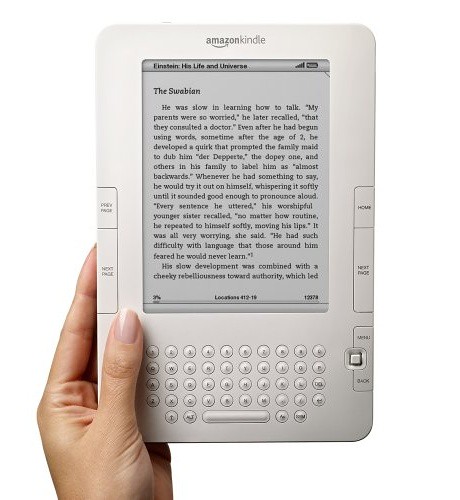
Amazon Kindle 2 Wireless eBook Reader


Genesis of the E-Reader
The Amazon Kindle emerged in 2007 as a pioneering device in the burgeoning field of e-readers, a product of Amazon's subsidiary, Lab126. Its creation was driven by a vision to fundamentally alter how people access and consume literature and other textual content. Prior to the Kindle, digital reading was often cumbersome, confined to less-than-ideal computer screens or early, less sophisticated devices.
The Kindle aimed to bridge the gap between the convenience of digital access and the tactile, comfortable experience of reading a physical book. The initial hardware platform was meticulously designed to offer a dedicated reading experience, prioritizing battery life and screen readability above all else. This focus on a singular, optimized function set it apart from multi-purpose devices and laid the groundwork for its eventual success in the market.
Technological Innovation
A cornerstone of the Kindle's appeal, particularly in its early iterations, was its adoption of E Ink technology. This electronic paper display offered a revolutionary reading experience, mimicking the appearance of ink on paper with remarkable clarity and contrast. Unlike backlit LCD or OLED screens found on tablets and smartphones, E Ink displays are reflective, meaning they use ambient light.
This characteristic not only reduces eye strain during prolonged reading sessions but also enables exceptional battery life, often lasting weeks on a single charge – a stark contrast to the daily charging cycles of most portable electronics. The development of E Ink was crucial in making digital reading a viable and comfortable alternative to print. Furthermore, Amazon expanded its reach by developing Kindle applications that allow users to access their digital library across a wide array of major computing platforms, including Windows and macOS, democratizing access to its content.
The Kindle Ecosystem
The Kindle is intrinsically linked to the Kindle Store, a vast digital marketplace that serves as its primary content distribution channel. This integrated ecosystem allows users to seamlessly browse, purchase, download, and read a staggering amount of material. As of March 2018, the U.S.
Kindle Store boasted over six million e-books, alongside a wide selection of newspapers, magazines, and Audible audiobooks. This extensive catalog transforms the Kindle from a mere reading device into a comprehensive portal for information and entertainment. The wireless networking capabilities ensure that new content is always just a few clicks away, fostering a culture of instant gratification and continuous access to literature and periodicals.
The integration with file systems like Windows and macOS further enhances its utility, allowing for easier management of personal digital libraries.
Impact and Legacy
The Amazon Kindle has profoundly impacted the publishing industry and fundamentally altered consumer reading habits. It was instrumental in popularizing the e-book format, challenging traditional print sales and forcing publishers to adapt their business models. The device democratized access to literature, making it more affordable and convenient for a global audience.
For authors, it opened new avenues for self-publishing and direct engagement with readers, bypassing traditional gatekeepers. The Kindle's success also spurred innovation in the broader e-reader market and contributed to the ongoing digital transformation of media consumption. Its legacy lies not just in the technology itself, but in its role as a catalyst for change, demonstrating the power of digital platforms to reshape established industries and user behaviors.
Kindle's Role in the Broader Digital Media Landscape
The Kindle's influence extends beyond just books. Its success paved the way for Amazon's expansion into other digital media, including music, video, and cloud services. The underlying technology and the ecosystem developed for the Kindle have informed the creation of other Amazon devices and services.
Moreover, the concept of a dedicated, optimized device for a specific media type, coupled with a robust digital store, has become a model for many tech companies. The Kindle represents a significant step in the shift from physical media to digital, highlighting the advantages of portability, searchability, and instant access. Its continued evolution, including the integration of features like Goodreads reviews and advanced note-taking capabilities, shows its ongoing relevance in a rapidly changing digital world.
See also
Based on content from Wikipedia · Licensed under CC BY-SA 4.0