

Alveolus: Tiny Air Pockets in Your Lungs!
Images

Wild boar (Sus scrofa) molars and premolars (plus tusk alveolus)


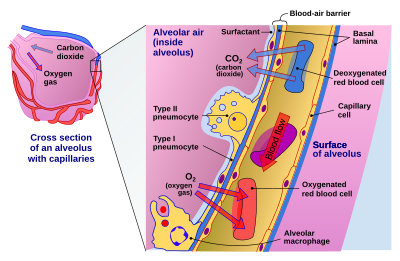


The Alveolus
The term 'alveolus' (plural: alveoli) is a fundamental concept in human anatomy and physiology, denoting a small, concave cavity or pit. While this definition is broad, its most critical application lies within the pulmonary system. In the lungs, alveoli are the terminal air sacs where the magic of respiration truly happens.
These microscopic structures, numbering in the hundreds of millions, collectively create an immense surface area-estimated to be between 70 to 100 square meters, roughly the size of a tennis court-essential for efficient gas exchange. Their development is a complex process, beginning in utero and continuing postnatally, with alveolarization being a key indicator of lung maturity and function. Disruptions to this developmental process can have long-term consequences for respiratory health.
Evolutionary and Developmental Trajectory of Alveoli
The evolutionary journey of the alveolus reflects the development of efficient terrestrial respiration. As vertebrates transitioned to land, the need for a larger surface area for gas exchange led to the evolution of more complex lung structures. The alveolus represents a highly specialized adaptation for this purpose.
Developmentally, the formation of alveoli is a tightly regulated process involving intricate signaling pathways between epithelial cells and the surrounding mesenchyme. This process is crucial not only for establishing the functional capacity of the lungs at birth but also for their continued growth and adaptation throughout childhood and adolescence. Factors influencing alveolar development, such as nutrition and exposure to environmental toxins, can have lasting impacts on lung health.
The Alveolus as the Nexus of Gas Exchange
The primary and most vital role of pulmonary alveoli is facilitating the exchange of respiratory gases: oxygen (O2) and carbon dioxide (CO2). This exchange occurs across the alveolar-capillary membrane, a barrier only about 0.5 micrometers thick. This incredibly thin structure is composed of the alveolar epithelium (Type I and Type II pneumocytes), the fused basement membranes of the alveolar epithelium and capillary endothelium, and the capillary endothelium itself.
Oxygen from inhaled air diffuses down its partial pressure gradient from the alveoli into the pulmonary capillaries, where it binds to hemoglobin in red blood cells. Concurrently, carbon dioxide, a metabolic waste product, diffuses from the blood, where its partial pressure is higher, into the alveoli to be exhaled. This continuous, passive process is driven by pressure gradients and is fundamental to maintaining cellular metabolism and homeostasis.
Structural Adaptations and Cellular Specialization
The structural design of alveoli is optimized for their function. They are clustered in alveolar sacs, resembling tiny bunches of grapes, which maximizes the surface area-to-volume ratio. Each alveolus is enveloped by a dense network of pulmonary capillaries, ensuring close proximity for efficient diffusion.
The alveolar epithelium is comprised of two main cell types: Type I pneumocytes, which are extremely thin squamous cells covering about 95% of the alveolar surface and are primarily responsible for gas exchange, and Type II pneumocytes, which are cuboidal cells that secrete pulmonary surfactant. Surfactant is a crucial substance that reduces surface tension within the alveoli, preventing them from collapsing during exhalation and making breathing less effortful.
Broader Anatomical Context and Clinical Relevance
Beyond the lungs, the term 'alveolus' is applied to similar microscopic structures in other organs. For instance, the exocrine glands, such as salivary glands or mammary glands, contain alveolar or acinar secretory units, which are sac-like structures responsible for producing and secreting substances. In the skin, sebaceous glands have an alveolar structure.
This recurring anatomical motif highlights a common design principle for structures involved in secretion or containment. Clinically, the health of pulmonary alveoli is paramount. Diseases like emphysema, pneumonia, and acute respiratory distress syndrome (ARDS) directly impact alveolar structure and function, leading to impaired gas exchange and potentially life-threatening respiratory failure.
Understanding the alveolus is therefore critical for diagnosing and treating a wide range of pulmonary conditions.
See also
Frequently Asked Questions
What are alveoli?+
How many alveoli do we have?+
Why do alveoli need surfactant?+
How does oxygen get into the blood?+
What can hurt the growth of alveoli?+
Based on content from Wikipedia · Licensed under CC BY-SA 4.0