

Alonso de Ojeda: Explorer of New Lands!
Images
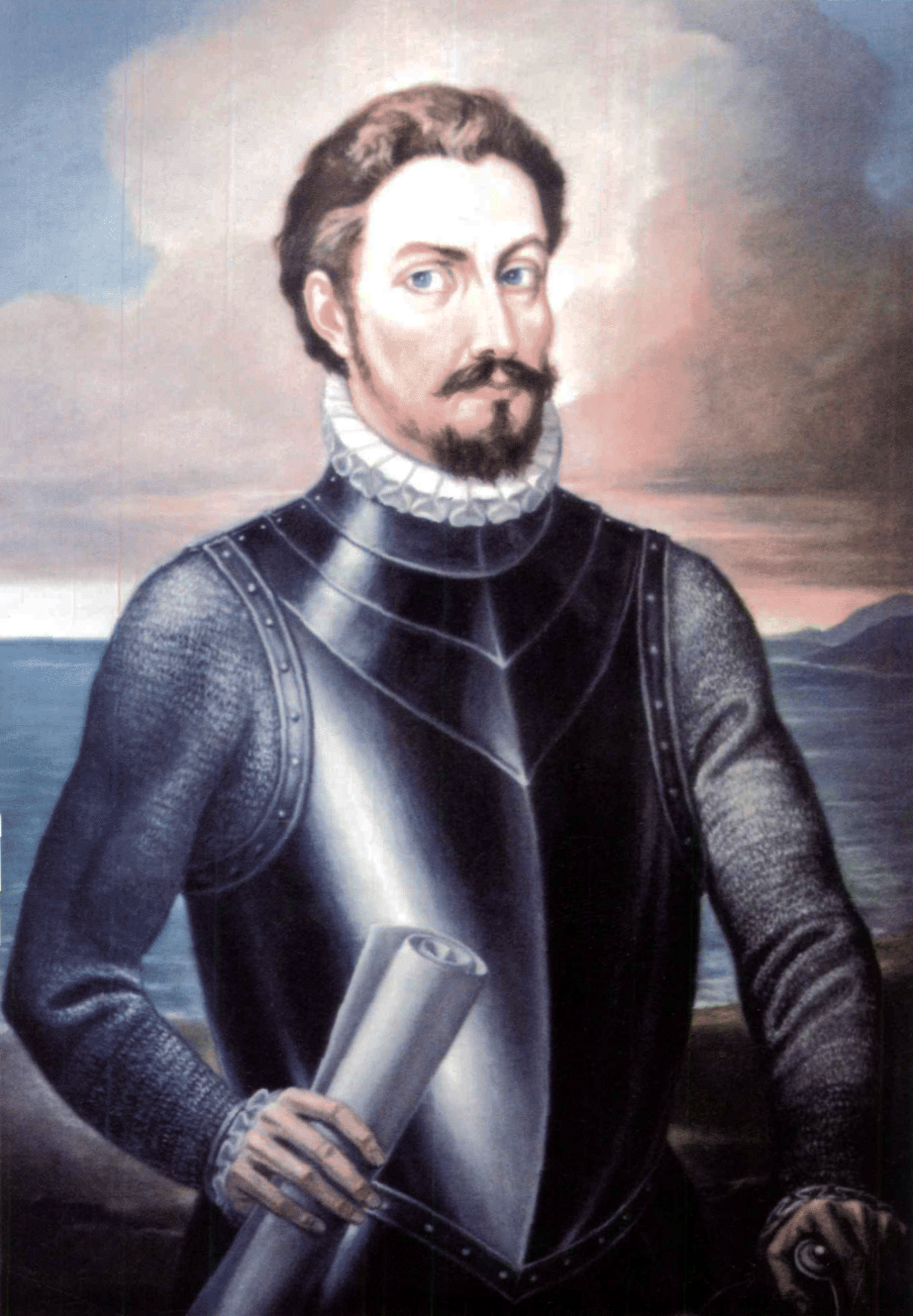
Conquistador Alonso De Ojeda


The Context of Exploration
Born around 1466, Alonso de Ojeda emerged during the vibrant Age of Discovery, a period fueled by a potent mix of economic ambition, religious zeal, and a thirst for knowledge. Spain, having recently completed the Reconquista, was eager to expand its influence and wealth beyond the Iberian Peninsula. Ojeda, a nobleman with military experience, was well-positioned to participate in these ambitious overseas ventures.
His expeditions were driven by the Spanish Crown's desire for new territories, resources, and trade routes, as well as the opportunity for personal glory and advancement. As a conquistador, Ojeda was part of a cohort of soldiers and adventurers who played a crucial role in the Spanish conquest and colonization of the Americas. His voyages were not merely sightseeing tours; they were strategic missions aimed at claiming lands, assessing their potential, and establishing Spanish dominion, often involving complex interactions and conflicts with indigenous populations.
Charting the Northern Coast
Alonso de Ojeda's most significant contributions lie in his early explorations of the northern coast of South America. His voyages, particularly those around 1499-1500 and again in 1502, were groundbreaking. He is widely recognized as the first European to visit Guyana, a region rich in natural resources and diverse ecosystems.
His expeditions also led him to the shores of modern-day Colombia and the vast expanse of Lake Maracaibo, the largest lake in South America. The discovery of this immense freshwater body was a notable geographical achievement. Furthermore, Ojeda's travels extended to numerous Caribbean islands, including Trinidad, Tobago, Aruba, and Curaçao.
These explorations were crucial in mapping the intricate geography of the region and identifying potential areas for settlement and exploitation, laying the groundwork for subsequent Spanish colonial endeavors.
The Naming of Venezuela
Perhaps Alonso de Ojeda's most enduring legacy is the christening of Venezuela. During his voyages, he observed indigenous settlements, notably those built on stilts over the water in the Gulf of Paria. This architectural style evoked comparisons to Venice, Italy, a city renowned for its canals and maritime prowess.
Consequently, Ojeda named the region 'Venezuela,' a diminutive form meaning 'Little Venice.' This act of naming was more than just an arbitrary label; it was a significant cartographical and cultural marker. It firmly placed the region on European maps and within the European consciousness, distinguishing it as a unique entity. The name 'Venezuela' has persisted for over five centuries, a testament to Ojeda's observation and the lasting impact of early European nomenclature on the geography of the Americas.
Collaborations and Contributions
Alonso de Ojeda's expeditions were often undertaken in collaboration with other prominent explorers, enhancing the collective knowledge gained. He sailed alongside Amerigo Vespucci, whose keen observations and influential writings were instrumental in challenging the prevailing belief that the newly discovered lands were part of Asia. Vespucci's realization that they constituted a 'New World' led to the continent being named 'America' in his honor, a profound geographical and historical development.
Ojeda also partnered with Juan de la Cosa, a seasoned navigator and cartographer. La Cosa's meticulous work resulted in the creation of one of the earliest comprehensive maps of the Americas, providing invaluable visual data for subsequent explorers and geographers. These collaborations underscore the interconnected nature of early exploration, where shared experiences and documented findings collectively advanced the understanding of global geography.
Beyond Discovery
Alonso de Ojeda's career extended beyond mere exploration to encompass roles of governance and settlement. As a governor, he was entrusted with administrative responsibilities, overseeing territories and populations, and enforcing Spanish law. This position placed him at the forefront of colonial administration, requiring him to manage resources, mediate disputes, and direct the efforts of settlers.
Furthermore, Ojeda was directly involved in the founding of settlements, most notably Santa Cruz (La Guairita). Establishing these outposts was a critical step in solidifying Spanish claims and creating permanent European presences in the Americas. These settlements served as bases for further exploration, economic activity, and the eventual expansion of Spanish control.
His multifaceted career as an explorer, governor, and conquistador highlights the complex and often intertwined nature of discovery, conquest, and administration in the early Spanish Empire.
See also
Frequently Asked Questions
What did Alonso de Ojeda discover in the Americas?+
Why did he name the country Venezuela?+
When did Alonso de Ojeda go on his voyages?+
Who did Alonso de Ojeda travel with?+
How did Alonso de Ojeda help Spain?+
Based on content from Wikipedia · Licensed under CC BY-SA 4.0