

The All-India Muslim League
Images
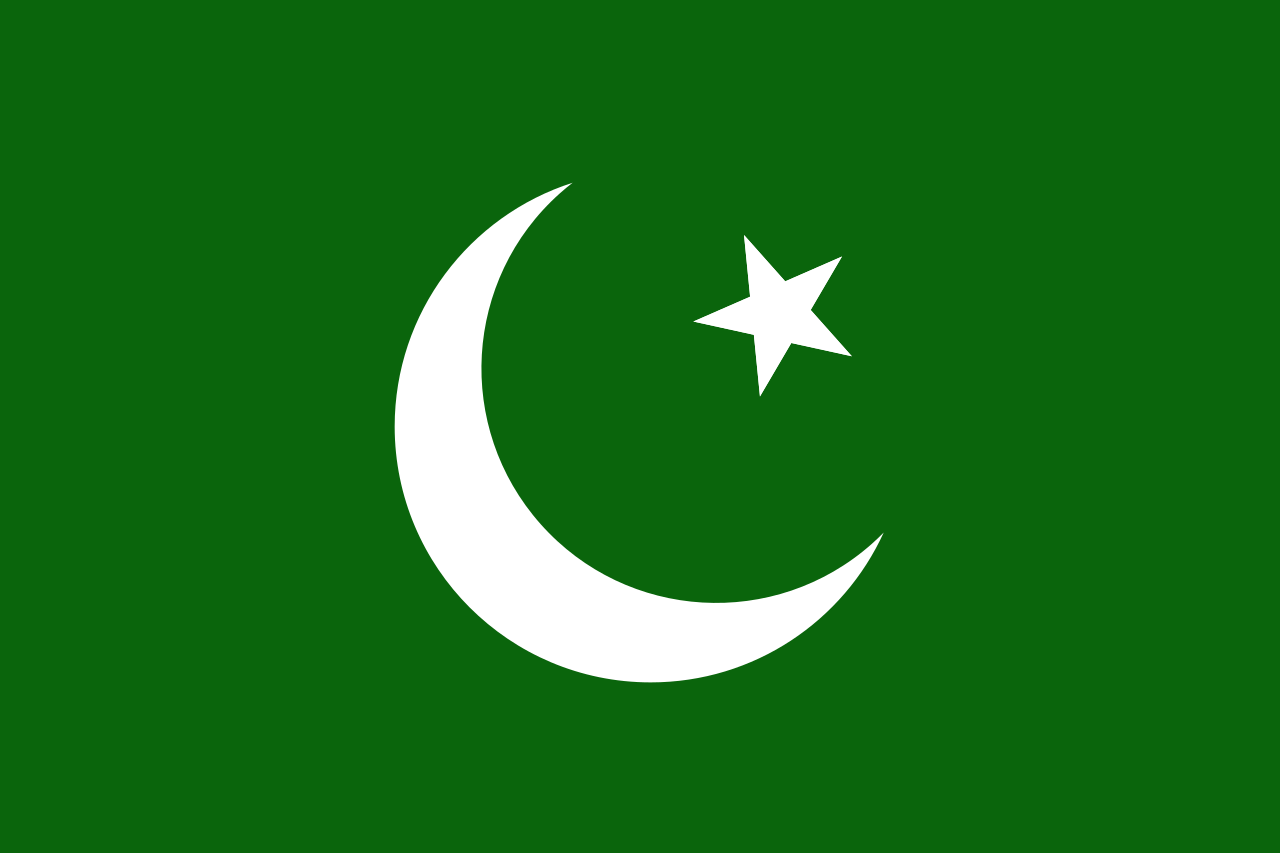
Flag Of Muslim League


Founding Principles and Early Agendas in Dacca
The All-India Muslim League (AIML) was established on December 30, 1906, at the Ahsan Manzil Palace in Dacca, Bengal Presidency, British India. Its inception was a direct response to the perceived political and social marginalization of Muslims within the subcontinent. The context was crucial: the Indian National Congress, a predominantly Hindu-led organization, was gaining momentum, and the 1905 partition of Bengal, though later annulled, had heightened communal tensions and fears among Muslims about their representation.
The AIML's initial objective was to safeguard Muslim interests and ensure their political voice was heard by the British administration and other communities. Early leaders like the Nawab of Dacca, Khwaja Salimullah, envisioned a platform that would foster Muslim solidarity and secure their rights within a united India, emphasizing loyalty to the British Crown while advocating for greater political participation.
The Transformative Leadership of Muhammad Ali Jinnah and the Two-Nation Theory
While the League initially sought to protect Muslim rights within a broader Indian framework, its trajectory dramatically shifted under the leadership of Muhammad Ali Jinnah, who became its president in 1937. Jinnah transformed the AIML from an elite organization into a mass movement, galvanizing Muslim populations across India. This period saw the articulation and popularization of the 'Two-Nation Theory,' which posited that Hindus and Muslims were distinct nations with separate cultural, religious, and political identities, thus necessitating separate homelands.
This ideology became the cornerstone of the Pakistan Movement, advocating for the creation of an independent state for Muslims in the Muslim-majority regions of British India. The League's success in mobilizing the Muslim masses was evident in the 1946 elections, where it secured a significant majority of Muslim votes, solidifying its claim as the sole representative of Indian Muslims.
The League's Decisive Role in the Partition of India
The All-India Muslim League played an instrumental role in the tumultuous events leading to the partition of British India in 1947. The demand for Pakistan, articulated through the Lahore Resolution of 1940, gained unstoppable momentum. The League's political maneuvering, coupled with the British government's decision to grant independence, culminated in the division of the subcontinent along religious lines.
This partition resulted in the creation of two independent nations: India, a secular state with a Hindu majority, and Pakistan, an Islamic republic comprising East and West Pakistan (now Bangladesh and Pakistan, respectively). The process was marked by immense violence, displacement, and loss of life, leaving a profound and lasting impact on the geopolitical landscape of South Asia and the collective memory of its people.
Post-Partition Legacies and Continuing Influence
Following the creation of Pakistan, the All-India Muslim League was formally dissolved in India. Its successor in Pakistan, the Pakistan Muslim League, became a dominant political force but eventually fragmented into various factions, reflecting the complex political evolution of the country. In India, a separate entity, the Indian Union Muslim League (IUML), emerged and continues to operate as a significant regional political party, particularly in Kerala, advocating for the rights of Indian Muslims.
In Bangladesh, the Muslim League was revived in 1976, but it has largely remained a minor player in the national political arena. The legacy of the AIML continues to be debated and analyzed, highlighting its profound and enduring impact on the history, politics, and identity of South Asia.
See also
Frequently Asked Questions
What was the All-India Muslim League and why was it founded?+
Who helped start the League and where did it begin?+
How did Muhammad Ali Jinnah change the League?+
What was the Lahore Resolution and what did it want?+
What happened to the League after Pakistan was made?+
Based on content from Wikipedia · Licensed under CC BY-SA 4.0