

Akrotiri and Dhekelia
Images

Flag Of The United Kingdom (1 2)
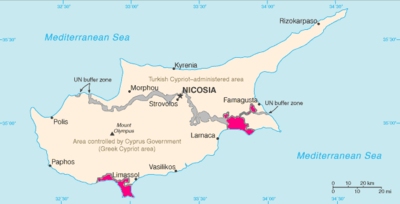


Geopolitical Significance and Strategic Positioning
Akrotiri and Dhekelia, officially the Sovereign Base Areas (SBAs) of Akrotiri and Dhekelia, represent a unique geopolitical anomaly: British Overseas Territories situated entirely within the Republic of Cyprus. Established in 1960 upon Cyprus's independence, these two non-contiguous areas were retained by the United Kingdom under the Treaty of Establishment. Their strategic value is paramount, serving as critical hubs for British military operations, particularly signals intelligence and communications gathering.
The SBAs provide the UK with a persistent presence in the Eastern Mediterranean and Middle East, enabling surveillance and intelligence operations that are vital to national security interests. This strategic positioning allows for monitoring of regional activities and provides a forward operating base for a range of military functions, underscoring their enduring importance in international defense and intelligence frameworks. The dual nature of these territories-British sovereign territory on Cypriot soil-creates a complex but functional geopolitical arrangement.
A Legacy of Empire
The history of Akrotiri and Dhekelia is rooted in the colonial past of Cyprus. As a former British Crown colony, Cyprus's transition to independence in 1960 necessitated a redefinition of British interests on the island. The Treaty of Establishment, signed by the UK, Greece, Turkey, and representatives of the Greek Cypriot and Turkish Cypriot communities, stipulated the terms of independence and the retention of two specific areas by the UK.
These were not arbitrary choices; they encompassed existing British military installations and provided strategic depth. The intention was to secure Britain's ability to fulfill its defense commitments and maintain intelligence capabilities in a crucial region. This historical compromise allowed Cyprus to gain sovereignty while ensuring the UK retained vital strategic assets, shaping the island's post-colonial landscape and its relationship with the United Kingdom.
Integrated Lives
Despite their status as British military bases, Akrotiri and Dhekelia are far from isolated enclaves. They are home to a diverse population of approximately 15,000 people, comprising British service personnel, their families, and a significant number of Cypriot civilians who live and work within the SBAs. This creates a unique socio-cultural environment where British and Cypriot life intertwine. Administration is handled by a British Administrator, but many essential services-including education, policing, and healthcare-are provided in close coordination with the Republic of Cyprus.
This cooperative model ensures the seamless integration of residents into the broader Cypriot community and economy. English is the official language of the administration, but Greek is widely spoken, reflecting the dual nature of life in the SBAs. This collaborative approach is key to maintaining social cohesion and operational effectiveness.
Ecological Treasures Amidst Strategic Assets
Beyond their military and geopolitical significance, Akrotiri and Dhekelia harbor remarkable natural environments. The Akrotiri Salt Lake, located within the Akrotiri SBA, is a Ramsar site and a designated Special Protection Area under EU law. It is one of the most important wetlands in the Mediterranean, serving as a crucial stopover point for hundreds of thousands of migratory birds annually, including flamingos, ducks, and waders.
The unique saline conditions support specialized flora and fauna, making it a biodiversity hotspot. The UK's commitment to environmental protection within the SBAs is evident through conservation efforts aimed at preserving these sensitive ecosystems. This ecological richness stands in fascinating contrast to the high-tech surveillance and military operations conducted nearby, highlighting the multifaceted nature of these territories.
Governance and Legal Framework
The governance of Akrotiri and Dhekelia operates under a distinct legal and administrative framework as British Overseas Territories. They are administered by a British Administrator, typically a senior Royal Air Force or Army officer, who reports to the Foreign, Commonwealth and Development Office in the UK. While sovereign territory, the SBAs are not fully integrated into the UK's legal system.
Protocols established in the 1960 treaty and subsequent agreements govern their relationship with the Republic of Cyprus. Notably, while not part of the European Union post-Brexit, the SBAs adhere to certain EU laws and regulations to facilitate daily life and avoid disruption for residents and businesses. This pragmatic approach ensures that while maintaining British sovereignty, the territories function harmoniously within their Cypriot context, balancing international obligations with local realities.
See also
Frequently Asked Questions
What are Akrotiri and Dhekelia?+
Why did the UK keep Akrotiri and Dhekelia after Cyprus became independent?+
Who lives in Akrotiri and Dhekelia?+
What kind of nature can you find in Akrotiri and Dhekelia?+
How do the British and Cypriot communities work together in the bases?+
Based on content from Wikipedia · Licensed under CC BY-SA 4.0