

Advanced Life Support: Super-Fast Rescues!
Images
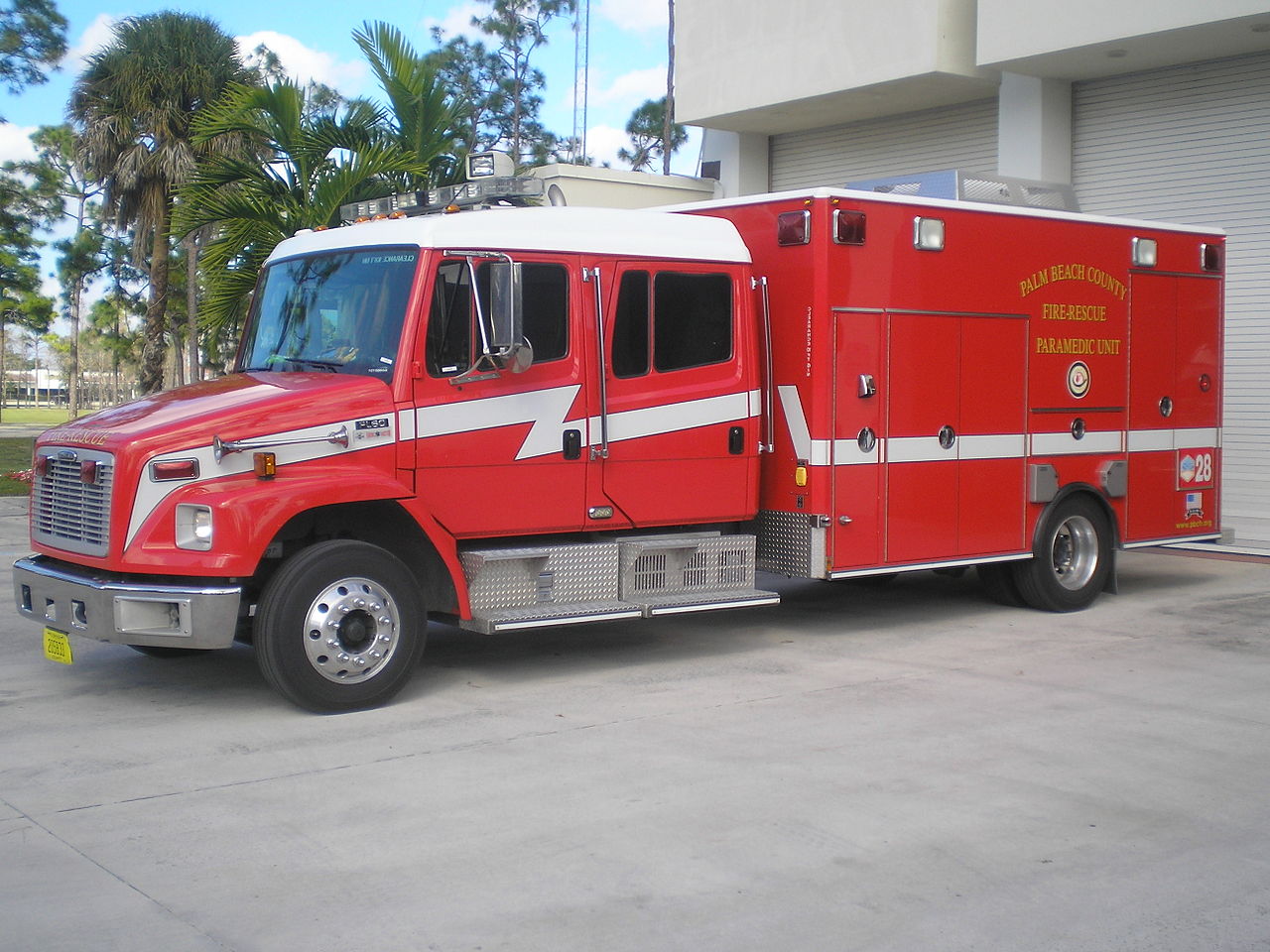
Advanced life support
Defining the Threshold
Advanced Life Support (ALS) represents a significant escalation in emergency medical care, building upon the foundational principles of Basic Life Support (BLS). While BLS focuses on maintaining an open airway, ensuring adequate breathing, and performing chest compressions, ALS introduces a suite of advanced interventions aimed at directly supporting or restoring vital physiological functions. This includes advanced airway management techniques beyond simple bag-valve-mask ventilation, such as endotracheal intubation or the use of supraglottic airways.
Furthermore, ALS protocols encompass the administration of a wide range of emergency medications, including vasopressors, antiarrhythmics, and analgesics, delivered via intravenous (IV) or intraosseous (IO) access. The ability to interpret complex cardiac rhythms and perform defibrillation or cardioversion is also a hallmark of ALS, distinguishing it as a critical, life-sustaining level of care provided in the pre-hospital environment.
A Historical Trajectory
The development of ALS is a story of scientific discovery and evolving medical understanding. Early resuscitation efforts were often rudimentary, but breakthroughs in understanding cardiovascular physiology, respiratory mechanics, and pharmacology paved the way for more advanced interventions. The widespread adoption of cardiopulmonary resuscitation (CPR) in the mid-20th century was a major step, but it was the subsequent research into defibrillation, advanced airway techniques, and the efficacy of specific emergency drugs that truly shaped ALS.
The formalization of paramedic training programs and the establishment of standardized protocols by organizations like the American Heart Association and the European Resuscitation Council have been instrumental in disseminating these advanced skills and ensuring a consistent standard of care across different regions and services. This evolution reflects a continuous effort to bridge the gap between the scene of an emergency and definitive hospital care.
The Indispensable Role of ALS in the Chain of Survival
ALS is a critical link in the 'Chain of Survival,' a concept that emphasizes the importance of timely interventions in improving outcomes for patients experiencing sudden cardiac arrest or other life-threatening emergencies. By providing immediate advanced care, ALS professionals can significantly increase the chances of patient survival and reduce the severity of long-term disability. Their ability to manage complex arrhythmias, administer targeted medications to support circulation and breathing, and maintain optimal oxygenation can prevent irreversible organ damage.
In cases of trauma, ALS can stabilize patients, control hemorrhage, and manage pain, preparing them for rapid transport. The impact of ALS extends beyond immediate survival; by stabilizing patients and preventing further deterioration, it contributes to better recovery trajectories and a higher quality of life post-event.
Mechanisms of Action
ALS interventions are grounded in physiological principles. Advanced airway management ensures a secure pathway for oxygenation and ventilation, bypassing potential obstructions and allowing for positive pressure ventilation. IV and IO access provide rapid systemic delivery of medications that can directly influence cardiac contractility (e.g., epinephrine), heart rhythm (e.g., amiodarone, lidocaine), or blood pressure (e.g., vasopressors).
Defibrillation and cardioversion utilize electrical energy to terminate life-threatening tachyarrhythmias, allowing the heart's natural pacemaker to resume control. Furthermore, ALS often involves advanced monitoring, such as continuous electrocardiogram (ECG) monitoring, capnography (measuring exhaled carbon dioxide), and pulse oximetry, which provide real-time feedback on the patient's physiological status and the effectiveness of interventions, enabling dynamic adjustments to treatment plans.
Contemporary Applications and Future Directions in ALS
ALS is the standard of care for a vast array of critical medical emergencies encountered by pre-hospital providers. This includes, but is not limited to, out-of-hospital cardiac arrest (OHCA), acute myocardial infarction (STEMI), stroke, severe respiratory distress (e.g., anaphylaxis, severe asthma), trauma with significant hemorrhage, and sepsis. The field of ALS is not static; it is continually evolving with ongoing research and technological advancements. Future directions include the integration of point-of-care ultrasound (POCUS) for rapid diagnosis, the development of more targeted pharmacological agents, enhanced communication systems for seamless handover to hospital teams, and the potential for remote physician guidance through telemedicine.
The ongoing refinement of ALS protocols aims to further optimize patient outcomes and expand the capabilities of emergency medical services.
Go deeper
Based on content from Wikipedia · Licensed under CC BY-SA 4.0