

Acupuncture
Images
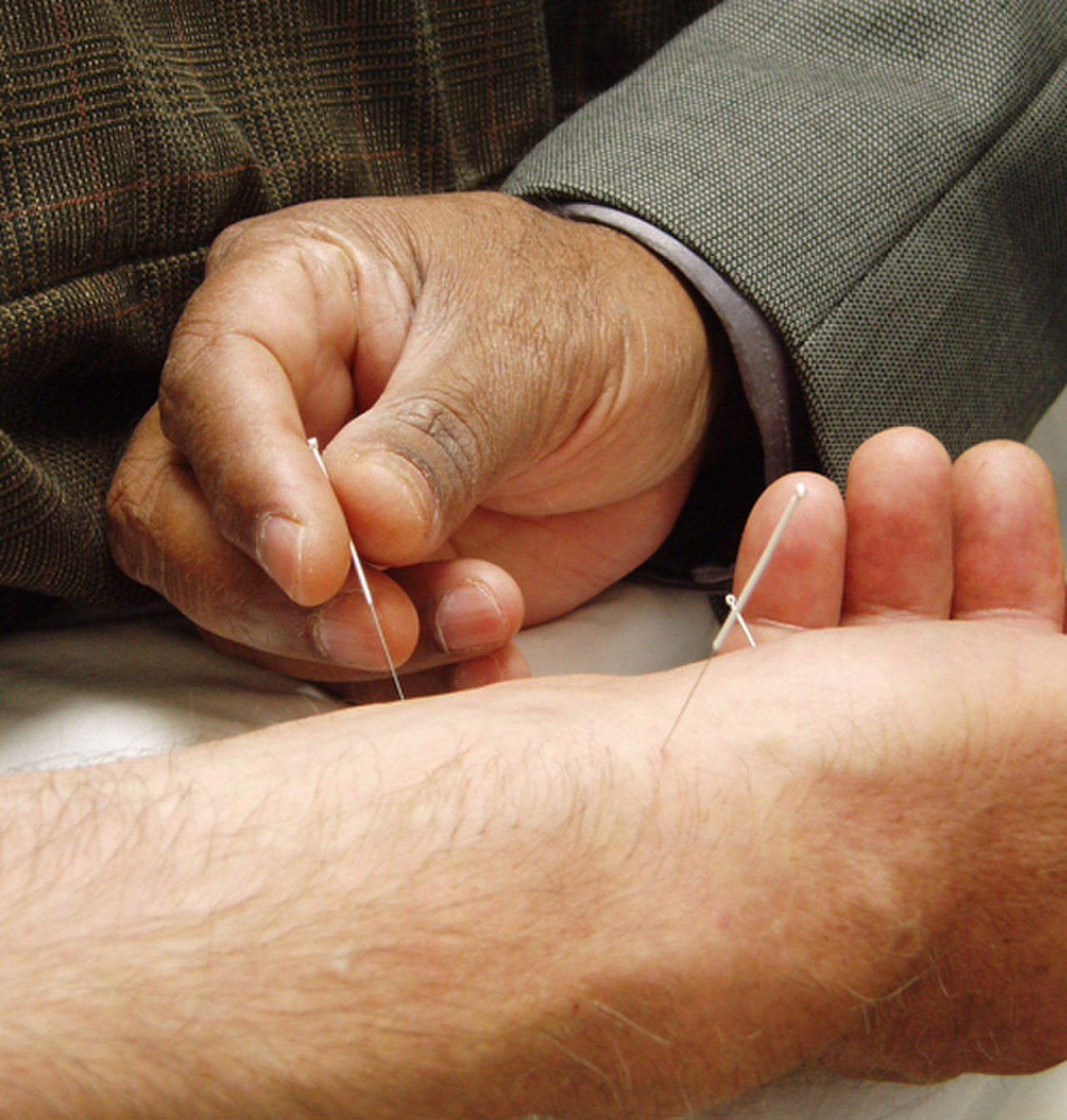
Acupuncture
The Genesis and Evolution of Acupuncture
Acupuncture, a cornerstone of Traditional Chinese Medicine (TCM), boasts a lineage stretching back millennia, with its origins deeply embedded in ancient Chinese philosophy and empirical observation. Initially developed through trial and error, practitioners noted that applying pressure or heat to specific body areas could alleviate pain and improve function. Over centuries, this knowledge was systematized, leading to the mapping of meridians – intricate pathways believed to carry vital energy, or Qi.
The development of fine needles allowed for more precise stimulation of acupoints along these meridians. Its practice evolved through dynasties, incorporating philosophical concepts like Yin and Yang and the Five Elements, shaping it into a sophisticated system. Despite its ancient origins, acupuncture has undergone continuous refinement and study, adapting to new understandings of physiology while retaining its core principles, making it a resilient and enduring therapeutic modality.
Deciphering the Mechanisms
The precise physiological mechanisms underlying acupuncture's efficacy are a subject of ongoing scientific investigation, but several compelling theories exist. A prominent hypothesis suggests that needle insertion stimulates peripheral nerves, triggering the release of endogenous opioids (the body's natural painkillers) and neurotransmitters like serotonin and norepinephrine. This neurochemical cascade can modulate pain perception and influence mood.
Acupuncture may also impact the autonomic nervous system, promoting relaxation and reducing stress responses. Furthermore, research indicates that it can influence the immune system and reduce inflammation by affecting cytokine production. The concept of Qi and meridians, while not directly measurable by Western scientific standards, is often interpreted as representing complex bioelectrical signaling pathways within the body, which acupuncture may help to regulate and optimize.
Therapeutic Applications
Acupuncture has gained significant traction in contemporary healthcare systems worldwide, recognized for its utility in managing a broad spectrum of conditions. It is widely employed for the treatment of chronic pain, including low back pain, osteoarthritis, headaches, and migraines, often serving as an adjunct or alternative to pharmacological interventions. Its efficacy in alleviating nausea and vomiting, particularly post-operative and chemotherapy-induced, is well-documented.
Beyond pain and nausea, acupuncture is increasingly utilized for its potential benefits in managing conditions such as anxiety, depression, insomnia, and infertility. Its holistic approach, addressing the interconnectedness of physical and emotional well-being, positions it as a valuable complementary therapy that can enhance overall quality of life and support conventional medical treatments.
Acupuncture and the Body's Energetic Landscape
From a TCM perspective, acupuncture is fundamentally about restoring balance to the body's vital energy, Qi. This energy is believed to circulate through a network of meridians, and blockages or imbalances in this flow can lead to illness. Acupuncturists identify patterns of disharmony based on a patient's symptoms, pulse, and tongue diagnosis, then select specific acupoints to stimulate.
The insertion of fine needles at these points is thought to unblock stagnant Qi, tonify deficient Qi, or redirect excessive Qi. This energetic rebalancing aims to harmonize the body's Yin and Yang forces, promoting optimal physiological function and preventing disease. While the concept of Qi is abstract, its practical application through acupuncture has yielded tangible therapeutic results for millions over centuries.
Global Reach and Future Directions
Acupuncture's journey from ancient China to global acceptance highlights its adaptability and perceived effectiveness. It is now integrated into healthcare systems in numerous countries, often covered by insurance and offered in hospitals and clinics alongside conventional medicine. Ongoing research continues to explore its mechanisms, refine treatment protocols, and expand its therapeutic applications. Future directions may involve greater integration with other medical disciplines, further elucidation of its molecular and neurological effects, and the development of standardized training and practice guidelines to ensure consistent quality and safety.
As the world seeks more holistic and less invasive healthcare options, acupuncture is poised to play an increasingly significant role in promoting health and well-being.
Go deeper
Frequently Asked Questions
What is acupuncture?+
How do acupuncture needles help with pain?+
Can acupuncture help with nausea after surgery or chemo?+
Does acupuncture work for headaches or back pain?+
What is Qi and meridians in acupuncture?+
Based on content from Wikipedia · Licensed under CC BY-SA 4.0