

Acoustic Music: The Sound of Real Instruments!
Images
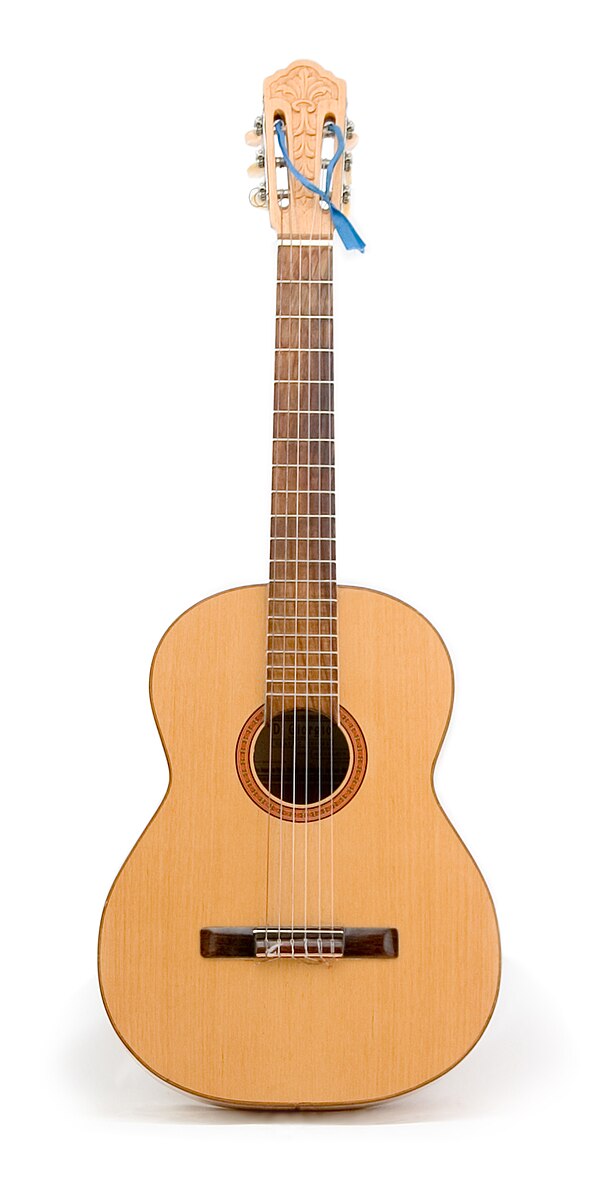
Acoustic music
Defining the Unamplified
Acoustic music refers to sound produced solely or primarily by instruments that generate vibrations through natural physical means, as opposed to electrical or electronic amplification. This encompasses a vast spectrum of musical expression, from the human voice to meticulously crafted instruments like violins, pianos, and acoustic guitars. The term 'acoustic music' itself emerged as a retronym, a name created retrospectively, following the advent and widespread adoption of electric instruments such as the electric guitar, electric bass, and synthesizers.
Before this technological shift, all music was, by definition, acoustic. This distinction highlights a fundamental difference in sonic texture, performance practice, and often, artistic intent, positioning acoustic music as a deliberate choice for purity and directness.
From Ancient Rituals to Modern Stages
The history of acoustic music is, in essence, the history of music itself. For millennia, human societies have created music using instruments that rely on physical principles. Early forms included percussion, wind, and string instruments, evolving from simple bone flutes and stretched animal skins to complex orchestral instruments.
Acoustic string instrumentation, particularly, has been a cornerstone of popular music, especially within the folk tradition, offering a direct and intimate mode of storytelling. As musical eras progressed, acoustic music served as a counterpoint to prevailing styles: it stood in contrast to the elaborate arrangements of big band music in the pre-rock era and later, became a distinct movement against the amplified soundscapes of rock and roll. The 'unplugged' phenomenon of the late 20th century further solidified acoustic music's identity as a deliberate artistic statement.
The Sonic Purity Argument
The significance of acoustic music lies in its perceived authenticity and directness. Music reviewer Craig Conley suggests that labeling music as 'acoustic,' 'unplugged,' or 'unwired' implies a critique of other music forms, viewing them as 'cluttered by technology and overproduction' and therefore less pure. This perspective underscores acoustic music's role as a deliberate artistic choice, often employed to emphasize the raw emotion, lyrical content, or instrumental virtuosity without the mediation of electronic effects.
It allows for a more intimate connection between the performer and the audience, fostering a sense of shared experience. Furthermore, acoustic instruments often possess a wider dynamic range and subtle tonal variations that can be challenging to replicate electronically, offering a unique sonic palette.
The Physics of Sound
The fundamental principle behind acoustic instruments is the generation and amplification of vibrations. String instruments, like violins or guitars, produce sound when strings are vibrated (plucked, bowed, or strummed). These vibrations are then transferred to a resonating body (the soundboard or hollow chamber), which amplifies the sound waves.
Percussion instruments, such as drums or xylophones, create sound through impact, causing a surface or bar to vibrate. Wind instruments, like flutes or brass instruments, produce sound by causing a column of air to vibrate, either by blowing across an edge, through a reed, or by buzzing the lips. The specific materials, shapes, and construction of each instrument determine its unique timbre, pitch, and volume, all achieved through natural physical processes.
Acoustic's Enduring Presence
Acoustic music remains a vital force across numerous genres. It is foundational to folk, bluegrass, and classical music. In jazz, acoustic bass and piano are often central.
Even within genres dominated by electric instruments, acoustic versions-often termed 'unplugged'-have gained significant popularity, demonstrating a desire for stripped-down, intimate performances. This trend highlights acoustic music's ability to convey emotion and narrative with potent clarity. Its continued relevance is also seen in its use as a tool for musical education, fostering an understanding of fundamental musical principles.
In an era saturated with digital soundscapes, acoustic music offers a tangible, human-centered sonic experience that continues to resonate deeply.
See also
Frequently Asked Questions
What is acoustic music?+
Why do some concerts say "unplugged"?+
How do string instruments make sound?+
When did people start calling music "acoustic"?+
Why is acoustic music special?+
Based on content from Wikipedia · Licensed under CC BY-SA 4.0