

Acid Rain
Images
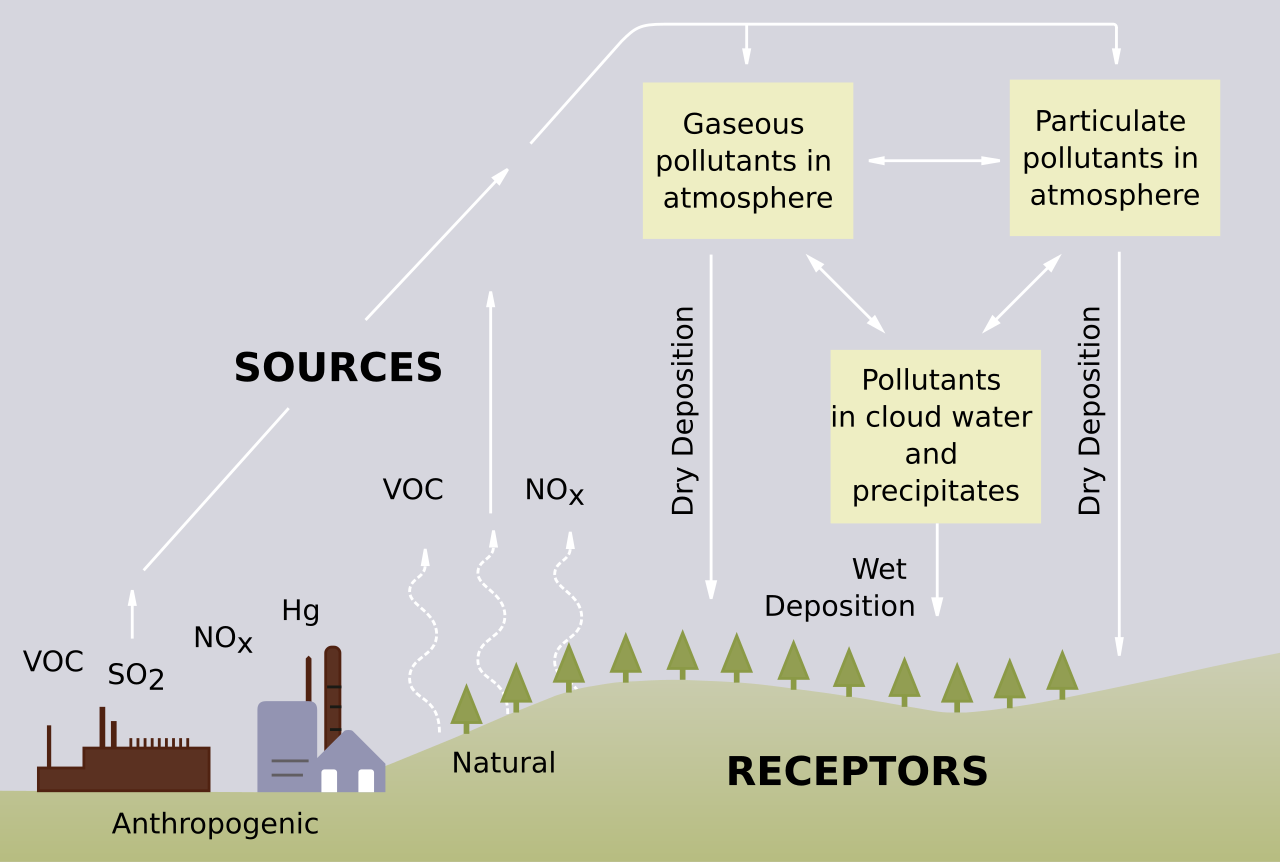
Acid rain
The Atmospheric Alchemy of Acid Precipitation
Acid rain, more broadly termed acid deposition, refers to any form of precipitation-rain, snow, fog, or even dry particles-that exhibits an unusually low pH due to elevated concentrations of hydrogen ions. While neutral water has a pH between 6.5 and 8.5, acid rain typically registers between 4 and 5, with some instances reaching even lower. This phenomenon is primarily driven by atmospheric chemical reactions involving sulfur dioxide (SO2) and nitrogen oxides (NOx).
These gases, released predominantly from anthropogenic sources such as the combustion of fossil fuels in power plants and industrial processes, undergo oxidation and hydrolysis in the atmosphere. SO2 is converted to sulfuric acid (H2SO4), and NOx is converted to nitric acid (HNO3). These strong acids then dissolve in atmospheric water droplets, forming the acidic precipitation that falls to Earth.
While natural processes like volcanic eruptions and lightning strikes also release SO2 and NOx, human industrial activities since the Industrial Revolution have dramatically increased their atmospheric concentrations, making anthropogenic sources the dominant factor in widespread acid deposition.
Cascading Ecological Disruption
The environmental ramifications of acid rain are profound and far-reaching, impacting terrestrial and aquatic ecosystems alike. In forests, acid deposition leaches vital nutrients like calcium and magnesium from the soil, which are crucial for plant growth and structural integrity. This nutrient depletion, coupled with the direct damage to tree bark and foliage, renders trees more susceptible to environmental stressors such as drought, extreme temperatures, and pest infestations.
The cumulative effect can lead to forest decline and reduced biodiversity. In aquatic environments, acid rain acidifies lakes, rivers, and streams, lowering their pH and increasing the concentration of toxic metals like aluminum. This altered chemistry is lethal to many fish species, amphibians, and invertebrates, disrupting food webs and diminishing aquatic biodiversity.
Even microbial communities in soil and water can be negatively affected, altering nutrient cycling processes essential for ecosystem health. The impact extends to human infrastructure as well, with acid rain accelerating the corrosion of steel structures like bridges and the weathering of stone buildings and historical monuments, leading to significant repair costs and loss of cultural heritage.
A Historical Perspective
The recognition of acid rain as a significant environmental problem gained momentum in the mid-20th century, particularly in the 1960s and 1970s, with extensive research conducted in Scandinavia and North America. Scientists observed widespread damage to forests and aquatic ecosystems and began to link it to air pollution originating from industrial areas, sometimes hundreds or thousands of kilometers away. This understanding highlighted the transboundary nature of air pollution.
In response, governments in Europe and North America began implementing air pollution control regulations in the 1970s and 1980s. These measures focused on reducing SO2 and NOx emissions through strategies like installing scrubbers in power plants, using low-sulfur fuels, and promoting cleaner industrial technologies. International agreements, such as the Convention on Long-Range Transboundary Air Pollution, played a crucial role in coordinating efforts across borders.
These regulatory actions have led to substantial reductions in acid deposition in many industrialized regions, demonstrating the effectiveness of policy interventions in mitigating environmental damage.
Contemporary Challenges and Future Directions
Despite significant progress in reducing acid rain in many parts of the world, challenges remain. While SO2 emissions have decreased considerably due to regulations, NOx emissions, which also contribute to ground-level ozone and smog, continue to be a concern. Furthermore, the legacy of past acid deposition means that some ecosystems are still recovering, and soils may remain depleted of essential nutrients for decades.
Emerging issues, such as the potential impacts of climate change on atmospheric chemistry and the transport of pollutants, require ongoing research and adaptive management strategies. The global nature of air pollution also necessitates continued international cooperation. As the world transitions towards cleaner energy sources and sustainable practices, understanding the complex interplay between atmospheric chemistry, environmental health, and human policy remains critical for safeguarding our planet's future.
The lessons learned from acid rain serve as a vital case study for addressing other global environmental challenges.
Go deeper
Frequently Asked Questions
What is acid rain and why does it taste sour?+
Why does acid rain hurt forests and trees?+
How does acid rain affect fish and water life?+
Where do the gases that cause acid rain come from?+
What have governments done to stop acid rain?+
Based on content from Wikipedia · Licensed under CC BY-SA 4.0