

Aargau
Images

Aargau
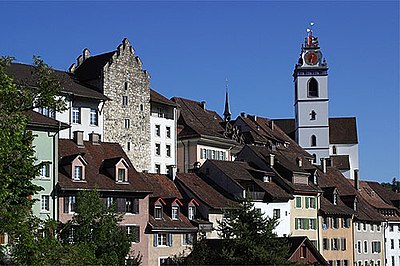


Geomorphological Significance and Human Habitation
Aargau's geographical identity is inextricably linked to the Aare River, its namesake and a defining feature of its northern Swiss location. The canton occupies the lower course of the Aare, a position that has historically facilitated trade, agriculture, and settlement. This riverine geography has fostered a landscape characterized by fertile plains and valleys, making it one of Switzerland's most densely populated regions.
The high population density is not merely a statistic but a reflection of Aargau's enduring appeal as a place to live and work, supported by its natural resources and strategic positioning. The canton's administrative structure, comprising eleven districts, further organizes this populous territory, with Aarau serving as its administrative and cultural nexus. Understanding Aargau's geography is key to comprehending its historical trajectory and its current socio-economic significance within the Swiss Confederation.
Historical Evolution
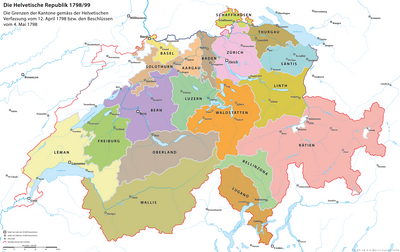
The history of Aargau is a complex tapestry woven from centuries of regional development and its eventual integration into the Swiss federal system. Its strategic location and fertile lands attracted various powers throughout history, leading to periods of rule by different dynasties and states. The region's transition to becoming a canton of the Swiss Confederation was a pivotal moment, marking its formal incorporation into the modern Swiss state.
This process involved political negotiations and the establishment of its own governance structures, while also aligning with federal policies. The historical narrative of Aargau is not just one of political change but also of evolving economic activities, from agrarian societies to industrial centers. The legacy of its past is preserved in its historical sites, architectural heritage, and the enduring cultural practices of its people, all contributing to its distinct identity within Switzerland.
Socio-Cultural Fabric and Linguistic Landscape
Aargau's socio-cultural landscape is shaped by its high population density and its position as a bridge between different regions of Switzerland. The primary language spoken is Swiss Standard German, with regional dialects adding local color and identity. This linguistic diversity, while subtle, reflects the canton's historical interactions and its role as a meeting point.
The culture is characterized by a strong work ethic, a blend of traditional customs and modern lifestyles, and a deep-rooted sense of community. The capital, Aarau, acts as a cultural hub, offering a range of institutions and events that celebrate local heritage and contemporary arts. The people of Aargau are often described as pragmatic and industrious, contributing significantly to the nation's overall character and productivity.
This blend of tradition and progress defines the unique cultural identity of the canton.
Economic Dynamics
Aargau stands as a significant economic engine within Switzerland, characterized by a diversified and robust industrial base. While historically rooted in agriculture, the canton has evolved into a hub for manufacturing, technology, and service industries. Its strategic location, coupled with excellent transportation networks, facilitates efficient trade and logistics, making it attractive for national and international businesses.
Key sectors include engineering, pharmaceuticals, and renewable energy, reflecting Switzerland's global reputation for innovation and high-quality production. The skilled workforce, a product of Aargau's strong educational system, is a critical asset driving economic growth and competitiveness. The canton's economic vitality not only supports its dense population with employment opportunities but also contributes substantially to the overall economic prosperity and stability of the Swiss Confederation.
Governance and Educational Frameworks
As one of the 26 cantons of Switzerland, Aargau operates under a federal system that balances cantonal autonomy with national governance. The canton has its own constitution and legislative bodies, responsible for managing regional affairs, including education, healthcare, and infrastructure. The capital, Aarau, houses the cantonal government, where key decisions are made to serve the needs of its eleven districts.
Education is a cornerstone of Aargau's societal structure, with a comprehensive system designed to foster learning and skill development from primary levels through to higher education and vocational training. This commitment to education ensures a well-prepared workforce, essential for maintaining the canton's strong economic performance and its contribution to Switzerland's reputation for excellence in various fields. The educational institutions are integral to the canton's social cohesion and economic advancement.
See also
Frequently Asked Questions
What is Aargau?+
Where does the Aare River flow in Aargau?+
Why is Aargau so busy and full of people?+
How did Aargau become part of Switzerland?+
What kinds of jobs do people in Aargau do?+
Based on content from Wikipedia · Licensed under CC BY-SA 4.0