

2008 Summer Olympics
Images

Samuel Wanjiru, Marathon, 2008 Summer Olympics




The Genesis of Beijing 2008
Awarded the Games on July 13, 2001, Beijing's selection as the host city for the 2008 Summer Olympics marked a pivotal moment in China's modern history. The bid process saw Beijing triumph over four other competitors, signaling the international community's recognition of China's growing influence. This hosting opportunity was deeply intertwined with national aspirations, with the Chinese government actively promoting the Games and investing heavily in infrastructure.
Thirty-seven venues were utilized, a significant number including twelve purpose-built facilities, reflecting a massive undertaking in urban planning and construction. The Games also demonstrated logistical complexity, with equestrian events held in Hong Kong and sailing in Qingdao, highlighting the challenges and innovations in managing a multi-location international event under different jurisdictions.
A New Era of Athletic Excellence and Global Participation
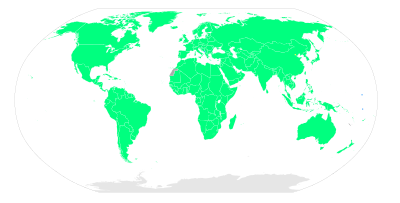
The 2008 Summer Olympics witnessed an extraordinary display of athletic prowess, with athletes pushing the boundaries of human potential. A staggering 10,942 competitors from 204 National Olympic Committees vied for glory in 28 sports and 302 events. The medal table saw host nation China achieve its most successful Games to date, topping the gold medal count with 48 and securing 100 medals overall, a remarkable feat for a nation historically not at the very top of the standings.
The United States led in total medals with 112, underscoring its consistent dominance. Notably, the Games saw an unprecedented 87 countries win at least one medal, signifying a broadening of global participation and competitiveness. This inclusivity was further highlighted by Mongolia and Panama winning their first Olympic gold medals, and several other nations earning their inaugural Olympic medals, reflecting the Games' power to inspire and elevate emerging sporting powers.
Cultural Resonance and the 'Dancing Beijing' Emblem
The visual identity of the Beijing Games was deeply rooted in Chinese culture. The official logo, 'Dancing Beijing,' designed by Guo Chunning, ingeniously incorporated the Chinese character for 'capital' (京) into a human-like form, a direct nod to the host city. This emblem symbolized the vibrant spirit and cultural richness that Beijing aimed to share with the world.
The opening ceremony, in particular, was a masterclass in cultural presentation, widely acclaimed as 'the greatest ever' by many observers and international media. It was a spellbinding performance that blended ancient traditions with modern artistry, captivating an estimated global audience of 3.5 billion viewers. This cultural immersion was a deliberate strategy to showcase China's heritage and its place in the contemporary world.
Economic Impact and Lasting Legacies
The 2008 Summer Olympics were the most expensive Summer Games in history at the time, and the second most expensive overall, with substantial investments in infrastructure, venues, and security. This economic commitment underscored the Games' significance as a platform for national development and international prestige. The event's legacy extends beyond athletic achievements; it spurred significant urban development in Beijing, enhancing transportation networks and public facilities.
Furthermore, these Games hold a unique place in Olympic history as the only Olympics held in Beijing with spectators, a stark contrast to the spectator-less 2022 Winter Olympics due to the global pandemic. Beijing's distinction as the first city to host both Summer and Winter Olympics is a testament to its enduring capacity to stage major global events.
See also
Frequently Asked Questions
What happened at the 2008 Beijing Summer Olympics?+
Why did Beijing get to host the 2008 Olympics?+
Where were the equestrian and sailing events held?+
How many medals did China win at the 2008 Games?+
What was special about the opening ceremony?+
Based on content from Wikipedia · Licensed under CC BY-SA 4.0