

1993 Canadian federal election
Images

New Democratic Party Campaign Sign, Old South London, Ontario


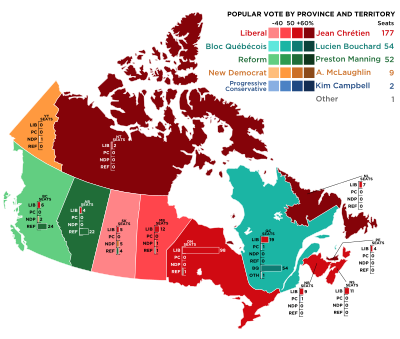


The Electoral Earthquake of 1993
The 1993 Canadian federal election, held on October 25th, stands as a monumental event in the nation's political narrative, characterized by a profound 'political realignment.' This election wasn't merely a change in government; it represented a fundamental restructuring of the Canadian political landscape. The incumbent Progressive Conservative (PC) Party, led by Prime Minister Kim Campbell, experienced an unprecedented collapse, suffering the most severe defeat for a governing party at the federal level in Canadian history, and one of the worst in Western democracies.
This electoral outcome was a direct consequence of a confluence of factors, including public dissatisfaction with the Goods and Services Tax (GST), the lingering fallout from failed constitutional accords (Meech Lake and Charlottetown), and a deep recession in the early 1990s. The PCs' loss of 154 seats and official party status signaled a dramatic rejection of their policies and leadership, creating a vacuum that new political forces were poised to fill.
The Ascendancy of New Ideological Forces
A defining characteristic of the 1993 election was the dramatic emergence and success of two regionalist parties: the Reform Party of Canada and the Bloc Québécois. The Reform Party, rooted in Western Canada, tapped into deep-seated Western alienation and fiscal conservatism, positioning itself as a right-wing alternative to the PCs. Led by Preston Manning, its popularity surged, particularly among social and fiscal conservatives disillusioned with the Mulroney government's deficit spending and tax policies.
The party's success in capturing the majority of the right-wing vote, winning only one seat east of Manitoba, highlighted a significant regional divide. Concurrently, the Bloc Québécois, advocating for Quebec sovereignty, achieved remarkable success, winning nearly half the popular vote in Quebec and becoming the Official Opposition. This was a historic first, with a secessionist party holding such a prominent parliamentary role, demonstrating the deep divisions within the country.
The Liberal Landslide and the Shifting Center
Against the backdrop of the PC collapse and the rise of new regional parties, the Liberal Party, under the leadership of Jean Chrétien, secured a decisive majority government. The margin of victory was staggering; the 22.6% difference in popular vote between the Liberals and the second-place Reform Party remains the largest gap between the top two parties in Canadian federal election history. This landslide victory not only ousted the Progressive Conservatives but also consolidated the Liberal Party's position at the political center, effectively marginalizing the traditional third party, the New Democratic Party (NDP), which experienced its worst result at the time.
The election effectively redrew the lines of Canadian federal politics, with the Liberals dominating the center and east, the Reform Party becoming the dominant right-wing force in the west, and the Bloc Québécois representing Quebec nationalism in Parliament.
Consequences and Lasting Impact
The 1993 election had profound and lasting consequences for Canadian politics. The decimation of the Progressive Conservative Party marked the end of an era, and the party struggled to regain national prominence, eventually merging with the Canadian Alliance (the successor to the Reform Party) in 2003 to form the modern Conservative Party of Canada. The rise of the Reform Party fundamentally altered the conservative movement in Canada, shifting its focus and regional base.
The Bloc Québécois's role as Official Opposition underscored the persistent strength of Quebec nationalism and the ongoing debate about Canadian federalism. The sheer turnover of Members of Parliament (MPs) was unprecedented, with 132 incumbents losing their seats and 194 out of 295 electoral districts changing hands. This election served as a stark reminder of the electorate's power to enact sweeping change and reshape the very fabric of national governance.
See also
Frequently Asked Questions
What happened in the 1993 Canadian federal election?+
Why did the Progressive Conservative Party lose so many seats?+
Who won the 1993 election and what was special about their victory?+
What new parties appeared in the 1993 election?+
What was the Bloc Québécois’s role in Parliament after the election?+
Based on content from Wikipedia · Licensed under CC BY-SA 4.0