

1973 Chilean Coup: A Day of Big Changes!
Images
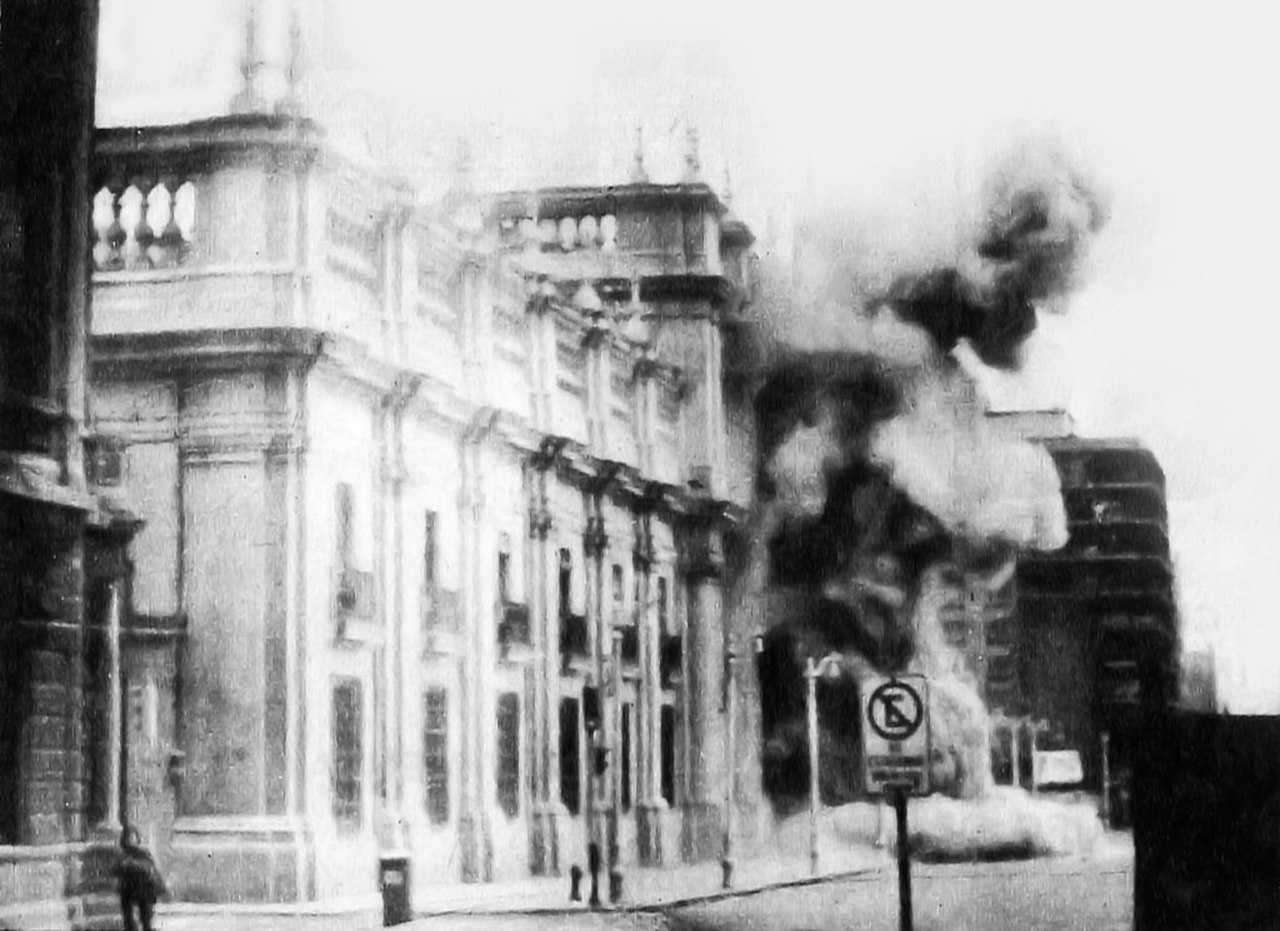
Golpe De Estado 1973
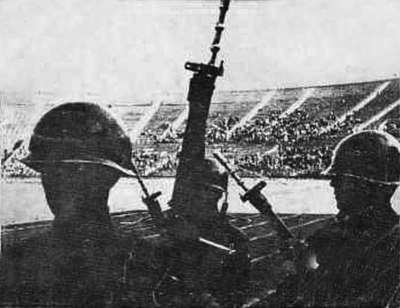


Chile's Democratic Experiment and the Rise of Allende
Chile, situated along the southwestern coast of South America, had cultivated a reputation for democratic stability in a region often marked by political upheaval. Its capital, Santiago, nestled in the fertile Central Valley, was the heart of a nation that prided itself on its electoral processes. In 1970, this tradition culminated in the election of Salvador Allende, a physician and leader of the Socialist Party, heading the Popular Unity coalition.
Allende's victory was historic, marking the first time a self-proclaimed Marxist president was democratically elected in a Latin American liberal democracy. His platform promised significant social and economic reforms, including nationalization of key industries and land redistribution, aiming to create a more equitable society. However, his presidency was immediately met with fierce opposition from conservative sectors within Chile and significant external pressure, creating an environment of intense political polarization and social unrest.
The Military Intervention
The simmering political tensions reached a boiling point on September 11, 1973. A coalition of military forces, led by Army General Augusto Pinochet, launched a coordinated coup d'état. The operation involved air raids on the presidential palace, Palacio de La Moneda, and ground assaults, effectively seizing control of the government.
President Allende, refusing to resign or flee, remained at the palace and delivered a defiant final radio address to the nation, vowing to defend his presidency. The circumstances of his death within the palace remain a subject of historical debate, though suicide is the most widely accepted conclusion. This violent overthrow abruptly ended over four decades of continuous civilian democratic rule in Chile, fundamentally altering the nation's trajectory.
Consolidation of Power and International Complicity
Immediately following the coup, a military junta was established, headed by Pinochet. Political activity was suspended, and left-wing organizations, including the Communist Party of Chile and the Revolutionary Left Movement (MIR), were brutally suppressed. Pinochet systematically consolidated his power, officially becoming president in late 1974.
Declassified documents have since revealed the extent of United States involvement. The Nixon administration, viewing Allende as a threat, actively sought to destabilize his government and create conditions favorable for a coup. While direct operational coordination by the U.S. remains debated by historians, their clear interest in Allende's removal and subsequent recognition and support of the junta underscore significant international complicity.
This external influence complicated Chile's internal political crisis and its path forward.
The Era of Repression and the Return to Democracy
The military dictatorship, lasting from 1973 to 1990, was characterized by widespread human rights abuses. Under Pinochet's rule, thousands of Chileans were subjected to torture, murder, forced disappearances, and exile as the regime sought to eliminate all political opposition. This period of severe repression left deep scars on Chilean society.
Despite the brutality, Chile eventually transitioned back to democracy. An internationally supported referendum in 1989 paved the way for a peaceful handover of power, with Pinochet stepping down in 1990. The legacy of the 1973 coup continues to be a critical subject of study, highlighting the fragility of democracy, the impact of international relations on national sovereignty, and the enduring struggle for human rights.
See also
Frequently Asked Questions
What happened in Chile on September 11, 1973?+
Who was President Salvador Allende?+
Why did the military overthrow the government?+
How did the United States help the coup?+
What happened to Chile after the coup?+
Based on content from Wikipedia · Licensed under CC BY-SA 4.0