

1837: A Year Like No Other!
Images
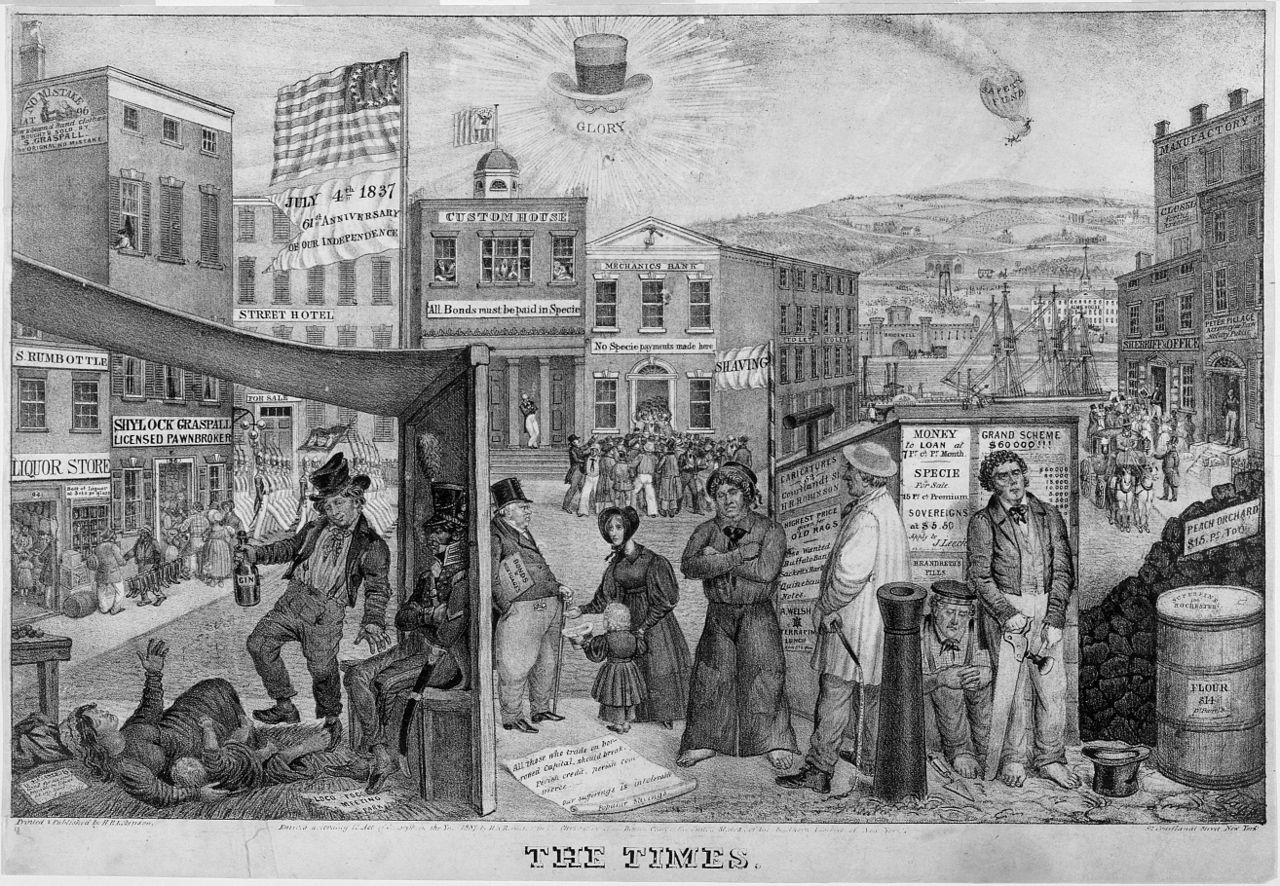
The Times Panic 1837


The Dual Calendrical Landscape of 1837
The year 1837, designated as MDCCCXXXVII in Roman numerals, was a common year that commenced on a Sunday according to the Gregorian calendar. This detail is significant as the Gregorian calendar, established by Pope Gregory XIII in 1582, had become the de facto international standard for civil purposes, though its adoption was not universal. The fact that it began on a Sunday is a simple chronological marker.
However, the persistence of the Julian calendar, which originated in Roman times, meant that in certain regions, 1837 began on a Friday. The discrepancy between these two systems was 12 days, a difference that would continue to shrink as the Julian calendar lagged further behind the solar year. This dual calendrical reality is crucial for historical research, requiring scholars to be aware of which system is being referenced to avoid chronological errors.
The Julian calendar remained in localized use until as late as 1923, underscoring the gradual nature of global standardization.
1837 as a Chronological Anchor
Positioning 1837 within broader historical epochs reveals its place in the grand narrative of time. As the 1837th year of the Common Era (CE) and Anno Domini (AD), it serves as a specific point of reference. The CE/AD system, while rooted in Christian tradition, has been widely adopted for secular historical dating.
More granularly, 1837 was the 837th year of the 2nd millennium, meaning it fell within the period from 1001 to 2000 CE. This places it firmly in the 19th century, specifically as its 37th year. The 19th century was a period of immense industrial, social, and political transformation, and 1837 was a year within this dynamic era.
Furthermore, it was the 8th year of the 1830s decade, a specific ten-year block that allows for closer examination of trends and events within that shorter timeframe.
The Significance of Precise Dating
The importance of accurately dating events, as exemplified by the context of 1837, cannot be overstated in historical study. Precise chronology allows historians to establish cause and effect, track the development of ideas and technologies, and understand the sequence of political and social changes. The existence of different calendar systems in 1837 highlights the complexities of global communication and standardization in the past.
It forces us to consider the local context of historical events and the varying rates at which societies adopted new norms. Understanding that 1837 began on different days in different calendars is not merely an academic detail; it is fundamental to interpreting primary sources and constructing accurate historical narratives. This year, therefore, acts as a case study in the challenges and necessity of chronological precision.
Contextualizing 1837 within the 19th Century
As the 37th year of the 19th century, 1837 was situated within a period of profound change. The Industrial Revolution was well underway, reshaping economies and societies. Nationalism was a growing force, leading to political realignments and conflicts. Colonial expansion continued, altering global power dynamics.
In science and technology, discoveries and inventions were accelerating. Understanding 1837 requires placing it within this broader context. For instance, major political events, social movements, or scientific breakthroughs occurring in the years immediately preceding or following 1837 would have shaped its environment.
Its position as the 8th year of the 1830s decade further refines this contextualization, allowing for analysis of trends specific to that ten-year span, such as evolving artistic styles, economic conditions, or philosophical currents.
See also
Based on content from Wikipedia · Licensed under CC BY-SA 4.0