

The 14th Century: A Time of Big Changes!
Images
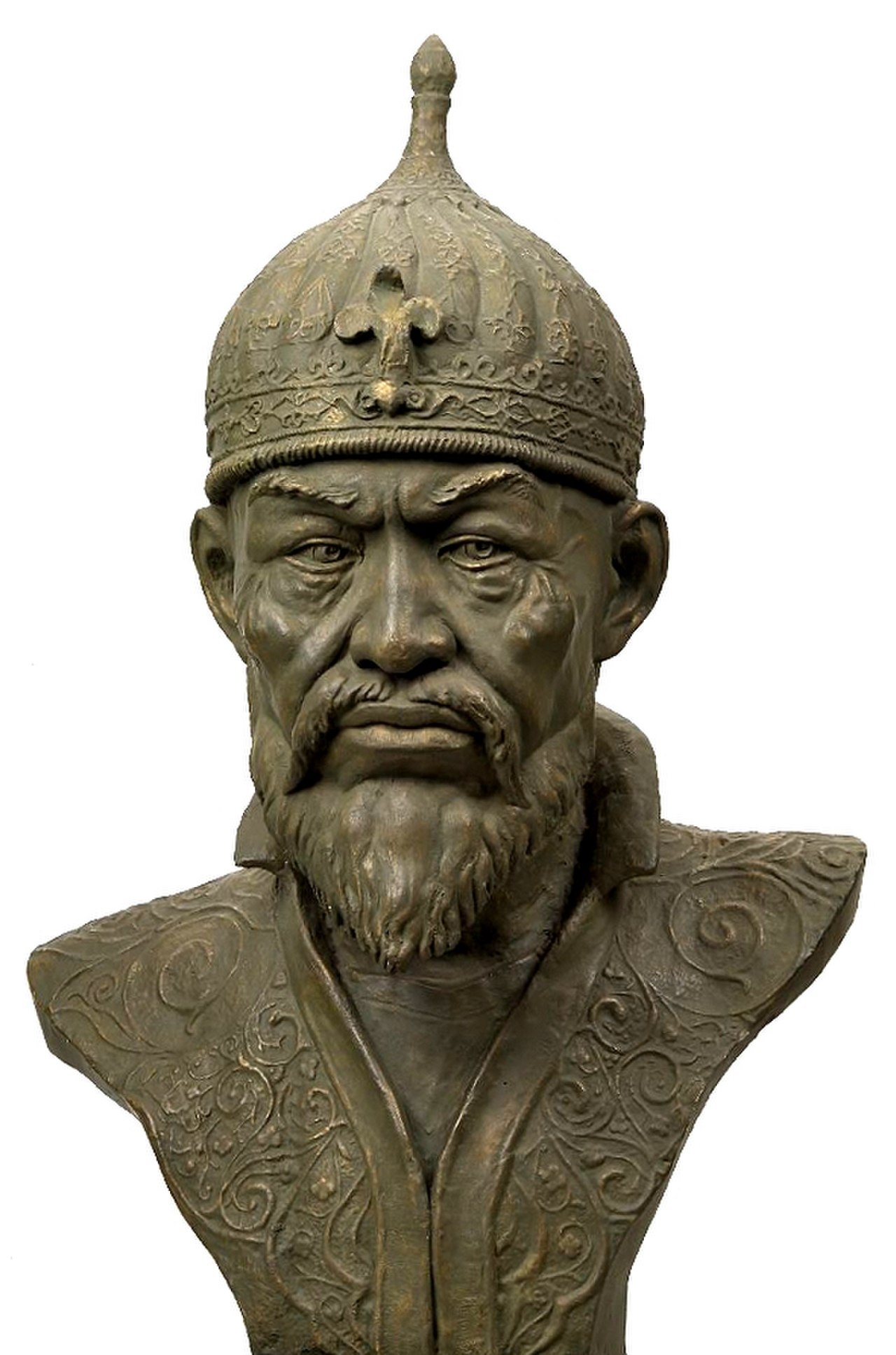
Timur Reconstruction03


Demographic Cataclysm and Societal Restructuring
The 14th century stands as a stark testament to humanity's vulnerability, primarily due to the catastrophic impact of the Black Death. This pandemic, caused by the bacterium Yersinia pestis, ravaged Afro-Eurasia, with Europe bearing a particularly devastating brunt. Estimates suggest that between 1347 and 1351, the plague annihilated between 30% and 60% of Europe's population, leading to profound demographic, economic, and social shifts.
The massive loss of life resulted in severe labor shortages, which in turn empowered surviving peasants and laborers, leading to demands for higher wages and contributing to the decline of serfdom in Western Europe. Conversely, it also fueled social unrest and peasant revolts. The psychological impact was immense, influencing art, literature, and religious thought, fostering a morbid fascination with death and a questioning of established authorities.
The sheer scale of mortality fundamentally altered the fabric of medieval society, forcing a reevaluation of life, labor, and governance.
The Shifting Sands of Power
The 14th century witnessed a dramatic reordering of global power dynamics. In Europe, the Hundred Years' War (1337-1453) between England and France, initially sparked by dynastic disputes over the French throne, evolved into a defining conflict that forged nascent national identities. This protracted struggle, characterized by innovations in military tactics and weaponry, such as the longbow and early gunpowder artillery, gradually weakened feudal ties and strengthened centralized monarchies.
Simultaneously, the Mongol Empire, which had dominated vast swathes of Asia, continued its fragmentation. The Yuan Dynasty in China was overthrown by the Ming Dynasty in 1368, pushing the Mongol court back into the steppes. In Central Asia, Timur (Tamerlane) emerged as a formidable conqueror, establishing the Timurid Empire, which stretched across Persia and Central Asia.
His military campaigns were exceptionally destructive, causing immense loss of life and contributing to the collapse of existing polities, yet his reign also fostered a significant cultural and scientific revival, the Timurid Renaissance, patronizing arts and architecture.
Economic Flourishing and Intellectual Frontiers
Amidst the widespread devastation, pockets of remarkable economic prosperity and intellectual advancement flourished. West Africa, particularly the Mali Empire, experienced its golden age. Under Mansa Musa I, Mali became a dominant force in gold production and trade, accumulating immense wealth. Mansa Musa's legendary pilgrimage to Mecca in 1324, famously distributing vast quantities of gold, not only showcased his riches but also significantly influenced regional economies and international perceptions of West African wealth.
In South Asia, the Bengal Sultanate emerged as a major trading power, renowned for its textiles and agricultural products, attracting merchants from across the Indian Ocean world. The intellectual landscape was enriched by figures like Ibn Khaldun, a North African Arab scholar whose work 'Muqaddimah' laid foundational concepts for sociology and historiography, and Ibn Battuta, whose extensive travels across the Islamic world and beyond provided invaluable ethnographic and geographical insights.
These achievements highlight the diverse trajectories of civilization during this tumultuous century.
Foundations of the Modern World
The 14th century served as a critical transitional period, laying the groundwork for major developments in the subsequent centuries. The early Renaissance, beginning in Italian city-states like Florence, marked a profound cultural and intellectual shift. This period saw a renewed interest in classical antiquity, a rise in humanism, and groundbreaking advancements in art, literature, and science, challenging medieval scholasticism.
The consolidation of distinct national identities in England and France, spurred by prolonged conflict, contributed to the development of more centralized nation-states. In the East, the rise of the Ottoman Empire in Anatolia signaled a new geopolitical force that would profoundly shape the Eastern Mediterranean and Balkans for centuries. Furthermore, the establishment of Tenochtitlan by the Mexica in 1325 represented the founding of a powerful empire that would dominate Mesoamerica.
The abandonment of Cahokia in North America also signifies the complex cycles of rise and fall in pre-Columbian societies. These diverse events collectively point towards the emergence of new political structures, cultural paradigms, and the dawning of an era of increased global interaction.
See also
Frequently Asked Questions
What caused the big death in Europe during the 14th century?+
Why did peasants get higher wages after the plague?+
How did the Hundred Years' War change Europe?+
Who was Mansa Musa and why was he famous?+
What was the Timurid Renaissance?+
Based on content from Wikipedia · Licensed under CC BY-SA 4.0